Edinburgh, Scotland’s capital, has built a reputation as an eco-conscious city, and Scotland as a whole has positioned itself as a leader in sustainable thinking. Backed by Zero Waste Scotland, a government-funded body that promotes a circular economy, the country prioritizes reuse and repair over recycling and disposal. The Circular Economy (Scotland) Act, passed in 2024, strengthened those goals, and a ban on sending biodegradable municipal waste to landfill, first set out in regulations in 2012, came into force at the end of 2025.
Even so, Edinburgh’s waste problem persists. Full enforcement of the landfill ban has been pushed back to 2028 because the infrastructure needed to divert that waste into other streams is not yet in place. At the same time, the city faces a serious resource gap. Waste continues to fill landfills and rivers while roughly 17 percent of Edinburgh’s residents are economically disadvantaged and struggle to access basic necessities. That these two problems exist side by side points to a breakdown somewhere along the waste stream, one that many Edinburgh locals are working to fix.
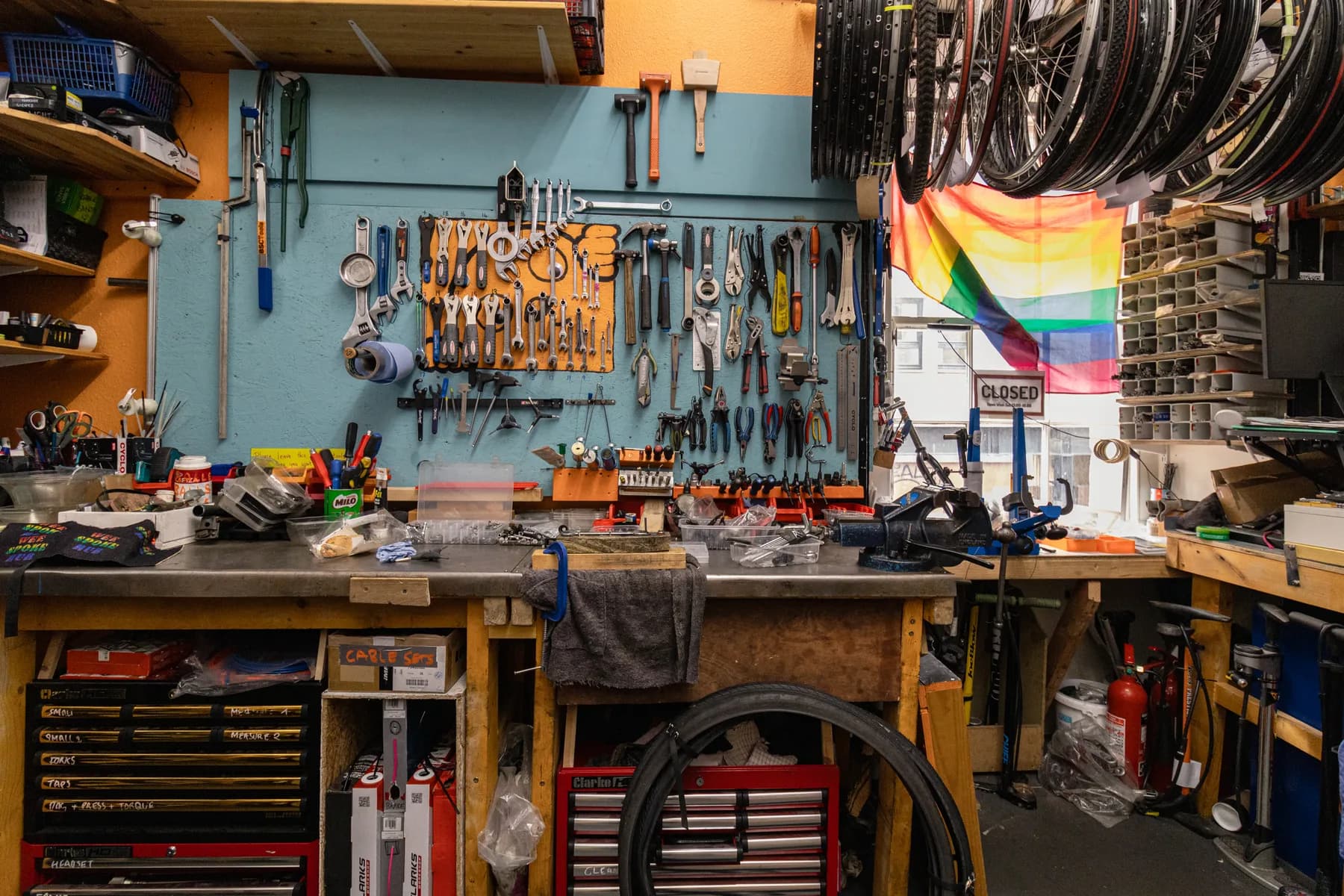
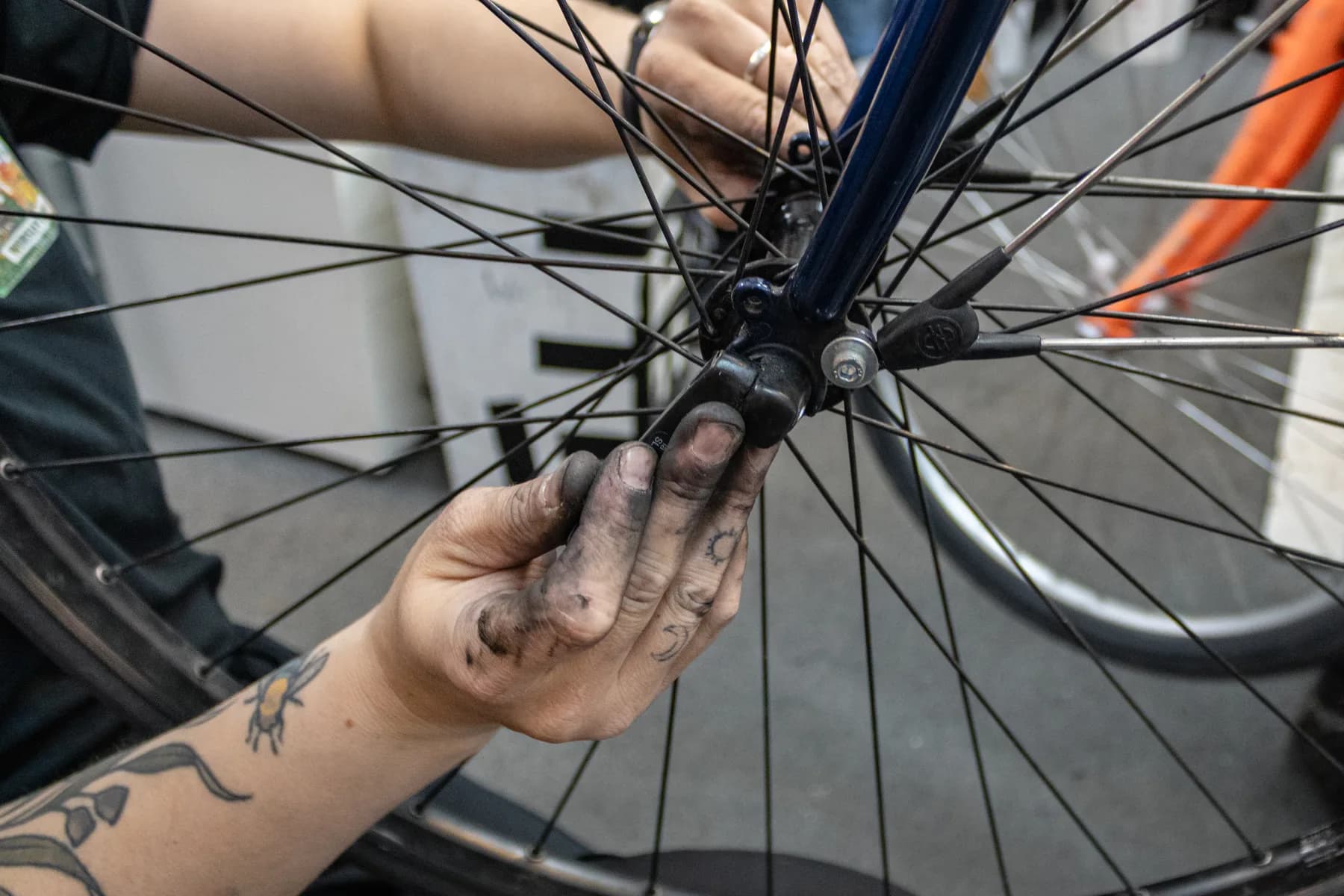
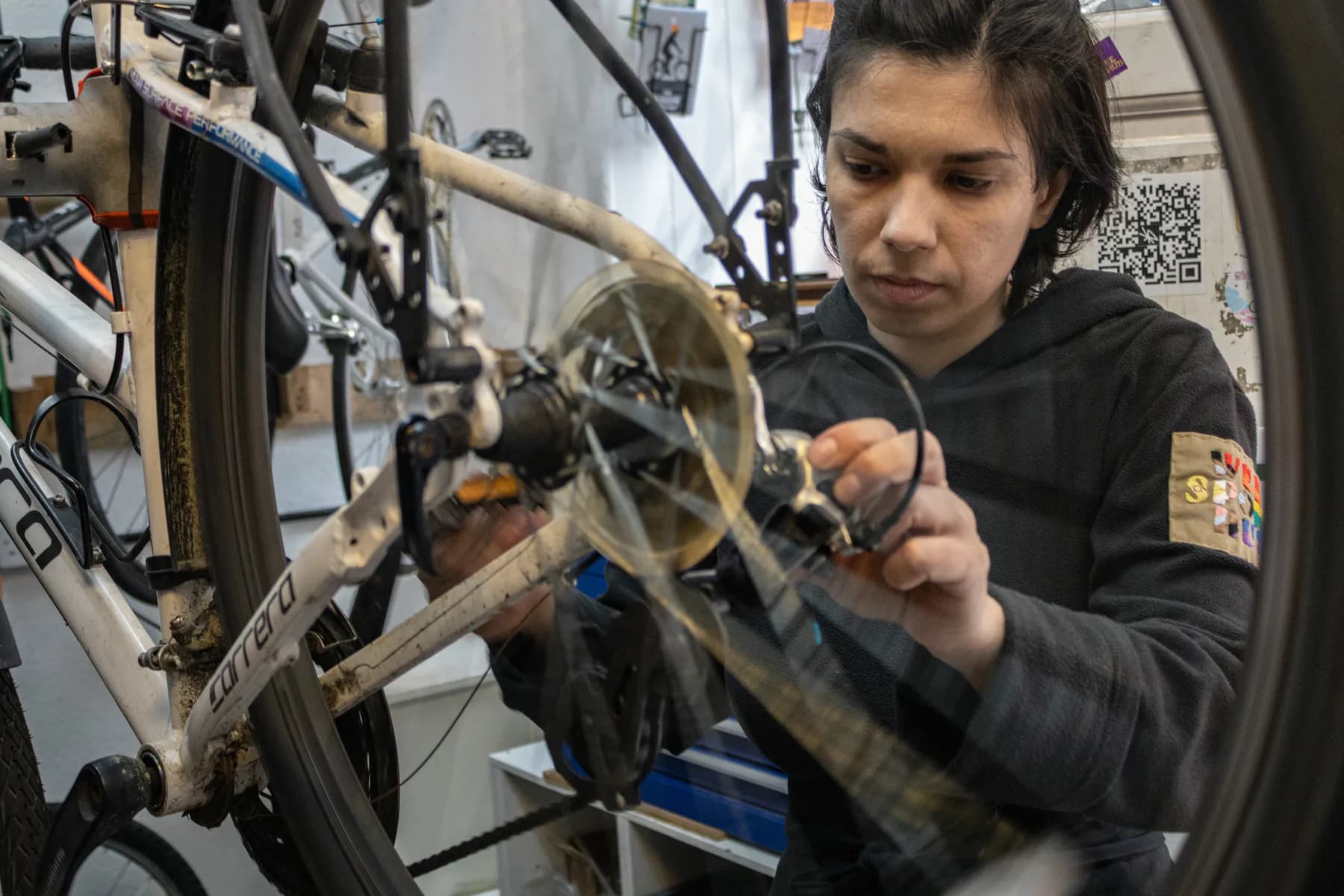
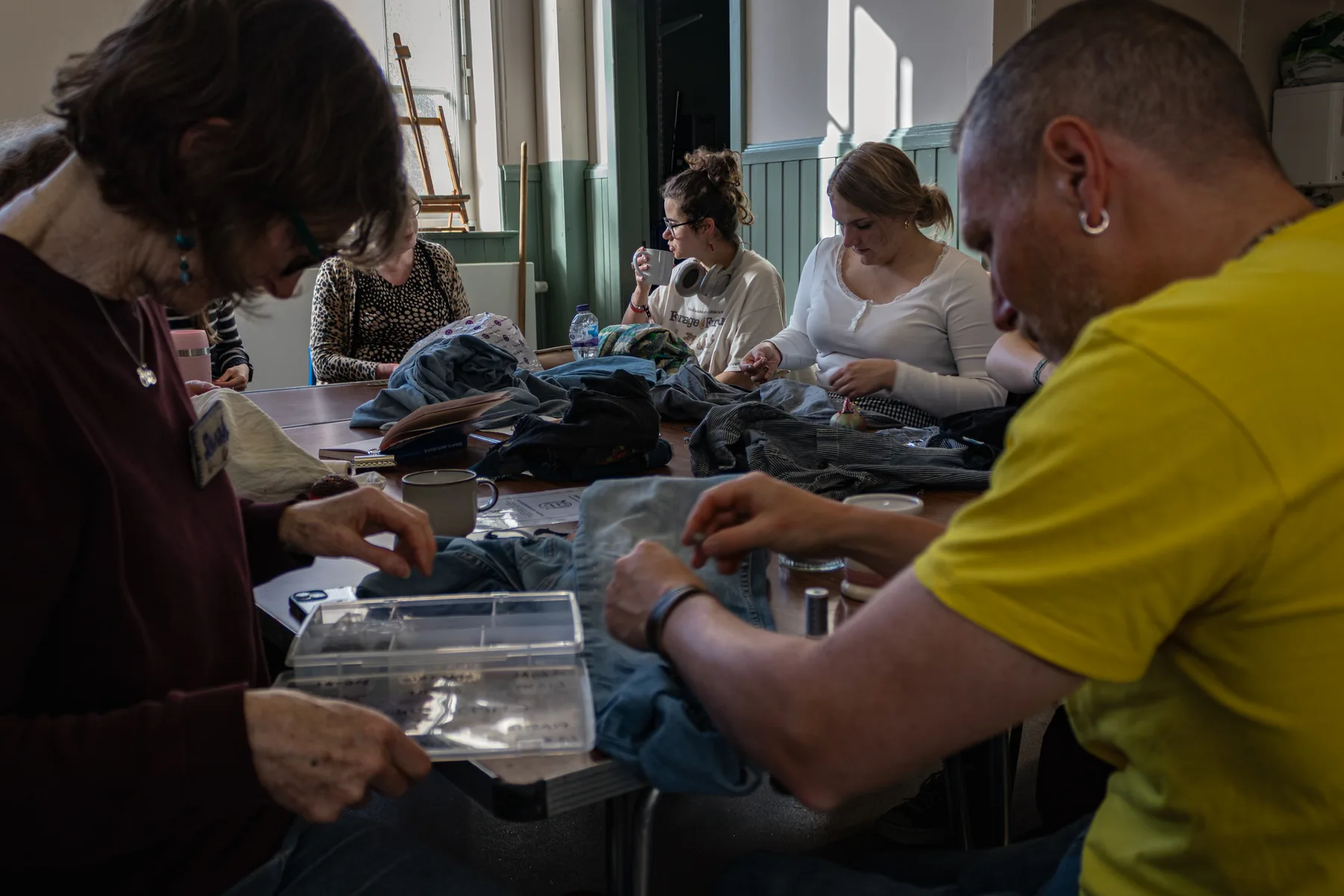
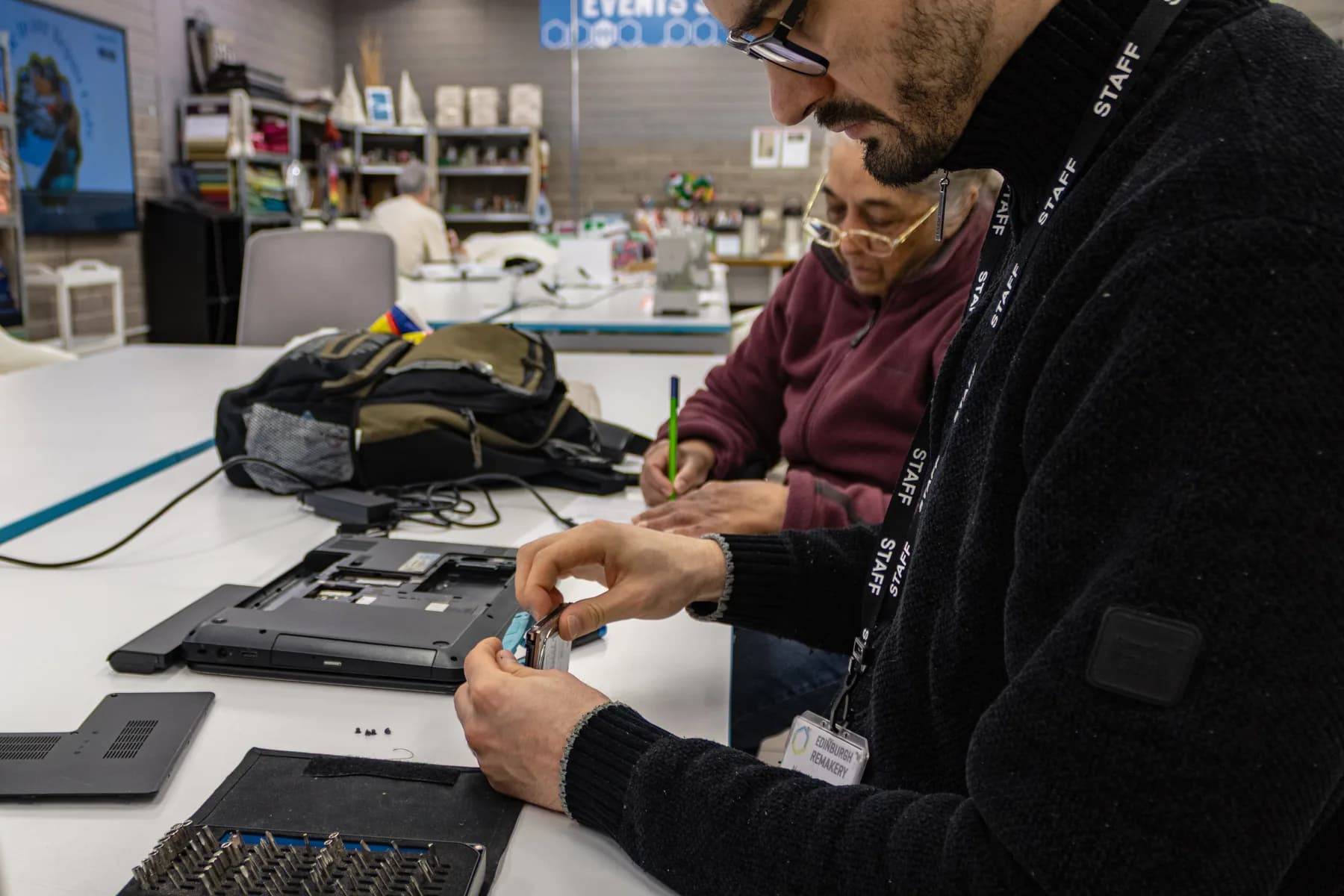
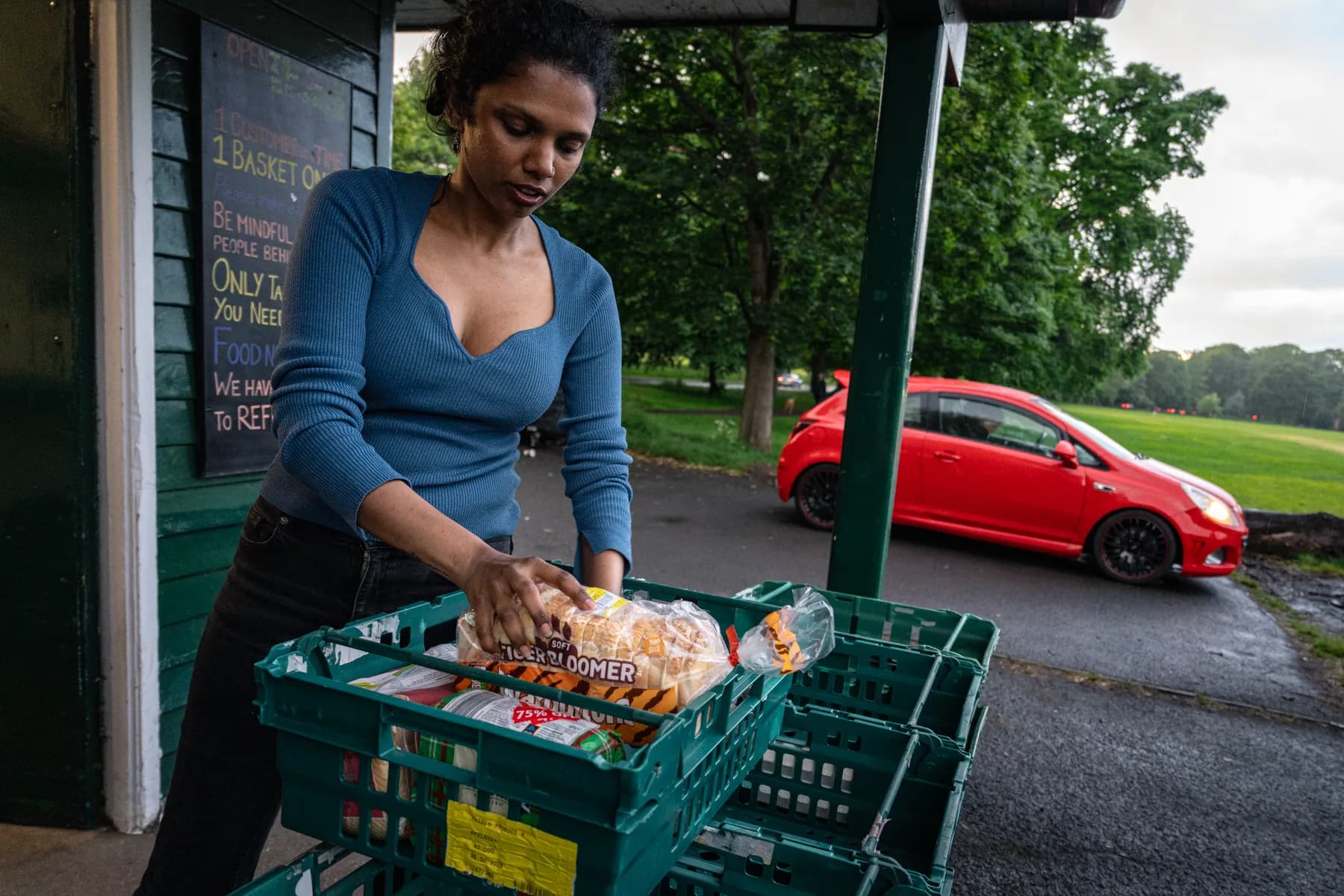
Where policy has stalled, community organizations are stepping in, redirecting waste and putting essential goods into the hands of the people who need them most. The Edinburgh Remakery collects donated technology, from nearly new to heavily used, then repairs and refurbishes it to sell at lower prices or to give to people facing digital exclusion. In 2025 alone, the Remakery refurbished 4,063 devices, gifted 224, and diverted 52 metric tons of e-waste from landfill. Among those it serves is Edinburgh Young Carers, an organization supporting young people aged 5 to 25 who care for a family member at home. For these young carers, a working device means more than access to technology. It means access to education, connection, and relief. SHRUB Coop takes a similar community-first approach across several areas of need. Its Wee Spoke Hub helps people repair their own bikes through hands-on workshops, keeping people mobile who might not otherwise be able to afford it. Its Repair What You Wear sewing group teaches clothing repair, extending the life of garments for people who can’t easily replace them. And each evening, its Pavilion Pantry in the Meadows redistributes around 300 kilograms of surplus supermarket food that can no longer be sold but is still perfectly safe to eat. Together, these organizations show that Edinburgh’s waste problem and its inequality problem are two sides of the same coin, and that community-led solutions are already tackling both. While full enforcement of the landfill ban waits and infrastructure gaps remain, these grassroots efforts are quietly making sure that what the city throws away becomes what its most vulnerable residents need.
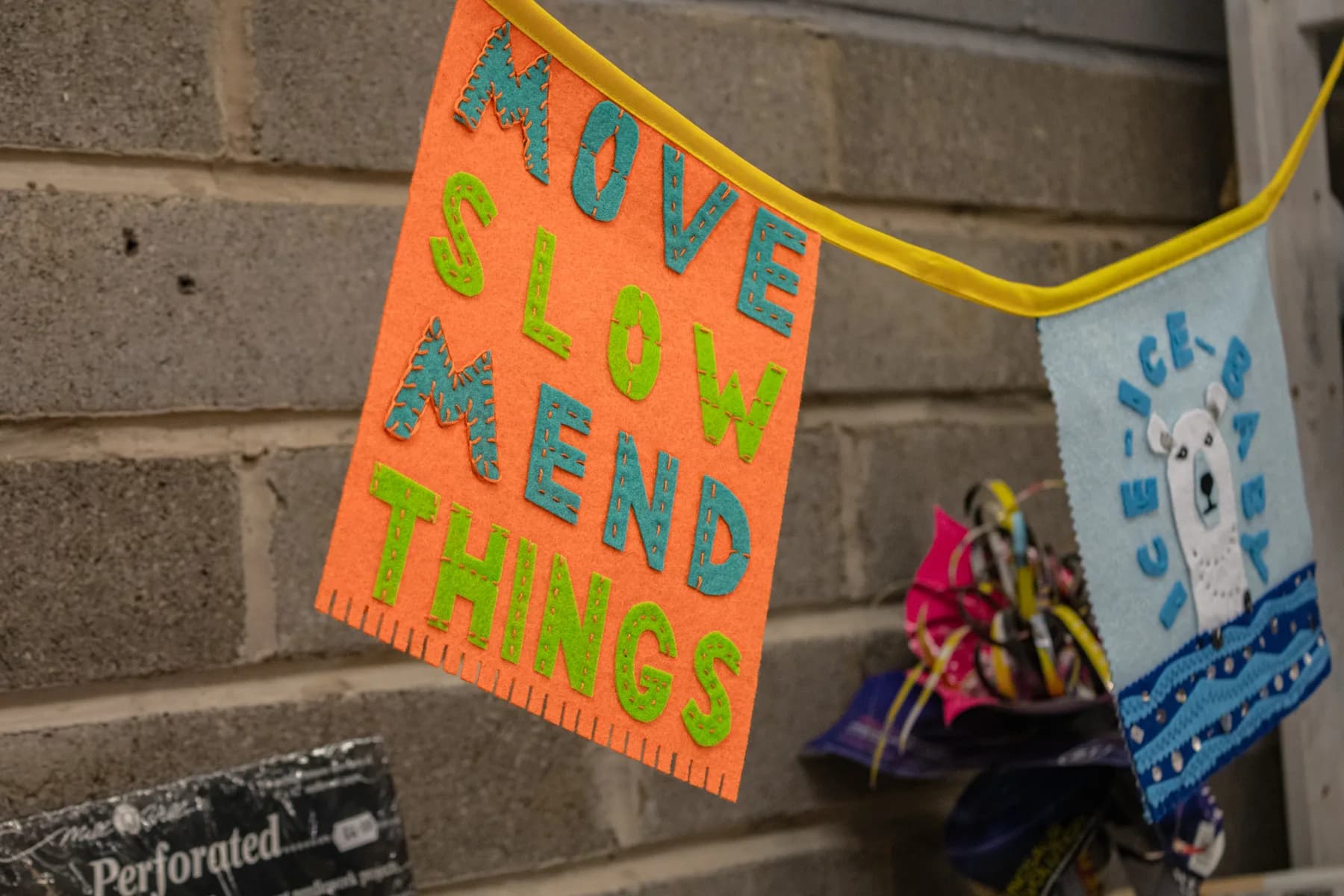
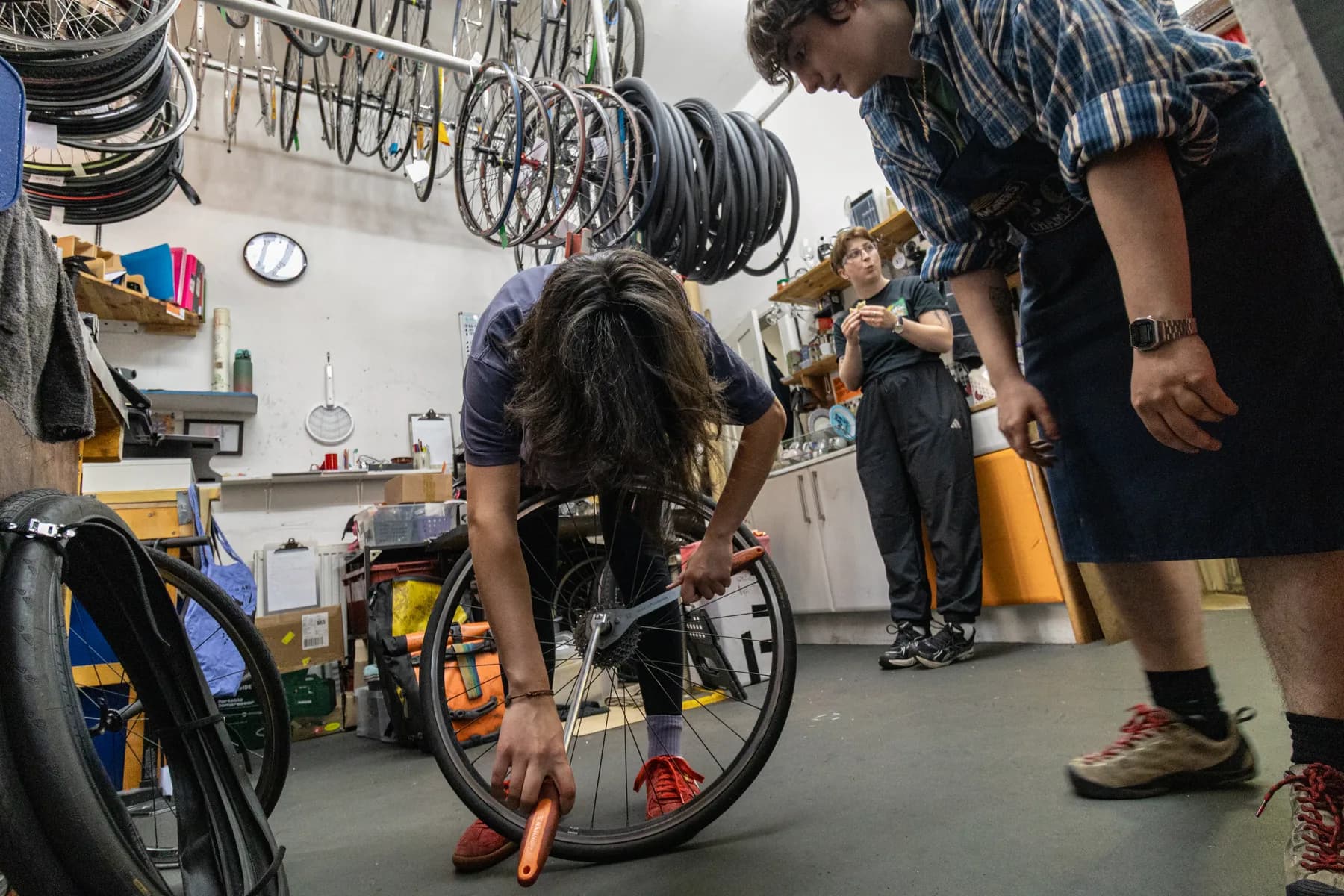

Edinburgh, Scotland is a city positioned as a leader of sustainability with their Circular Economy model. Organizations like Edinburgh Remakery and SHRUB COOP have been working to act as alternative streams for waste, diverting it into the hands of people in need and away from landfills, helping the environment and the people of Scotland at the same time. SHRUB COOP’s Pavilion Pantry located in The Meadows is Edinburgh’s first "rescued food shop.”
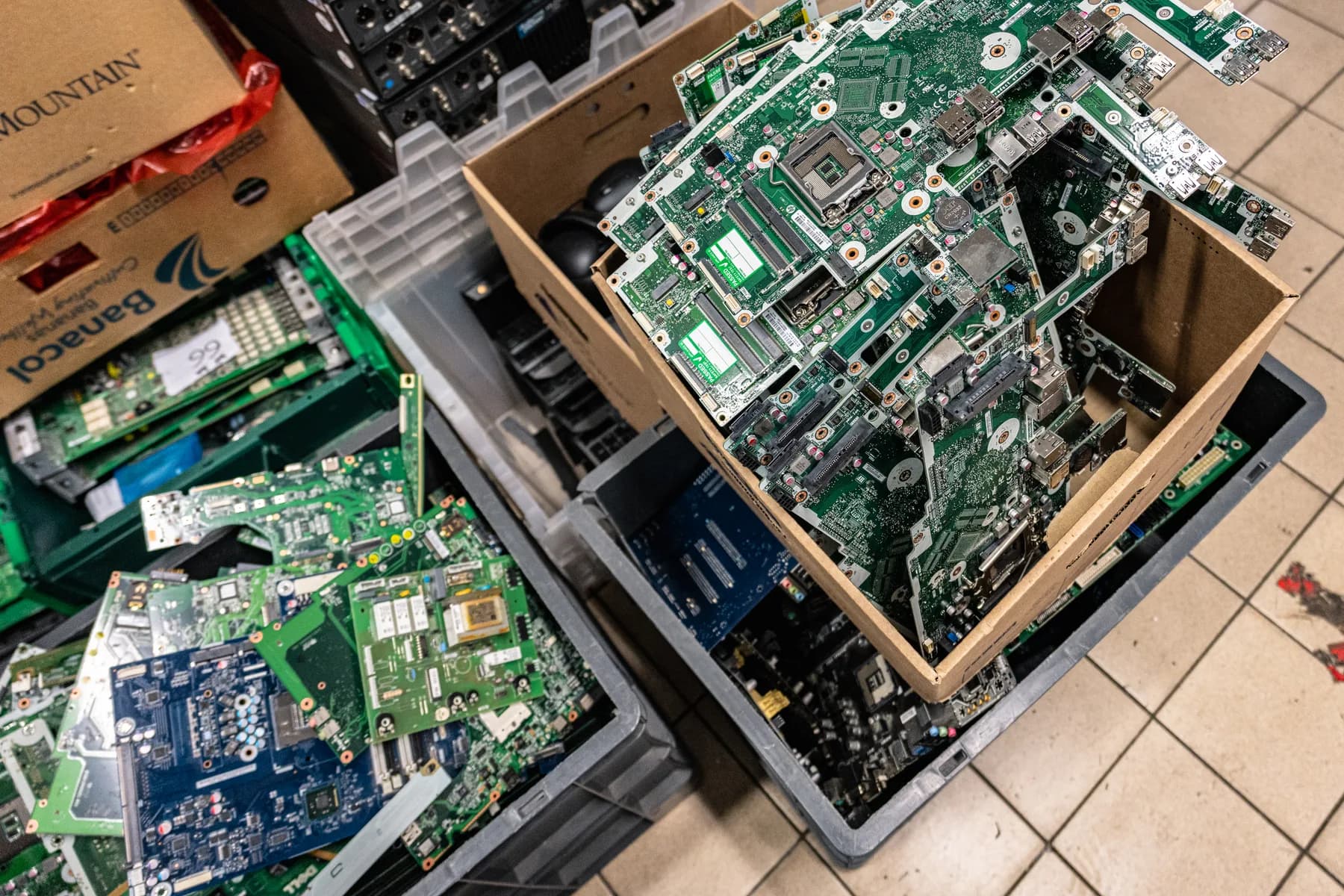


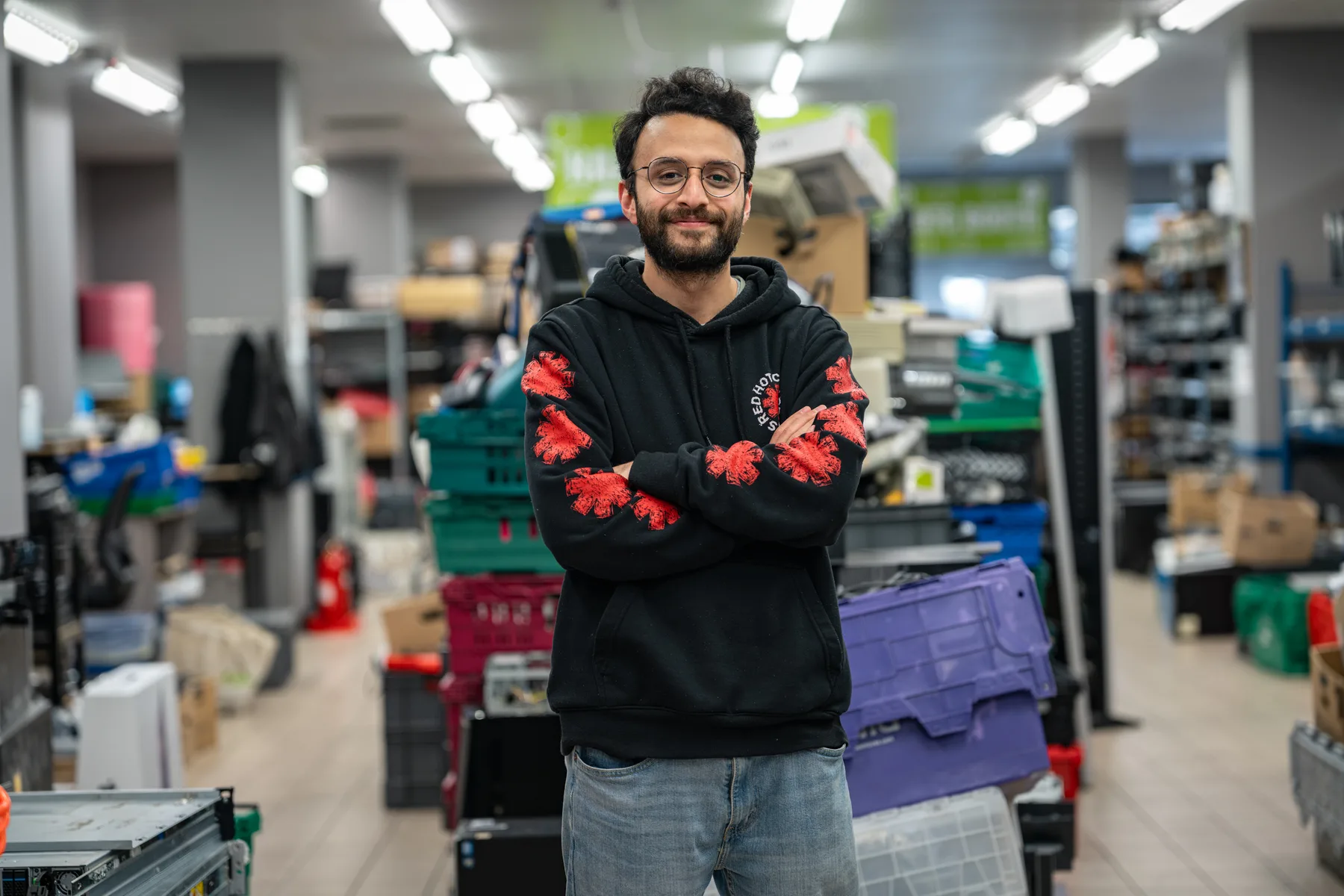

Remakery employees unload the latest delivery of donated tech. Four days a week, drivers from Remakery visit the large tech and corporate organizations they partner with as well as their various donation boxes across the city to pick up donated tech. The devices that come into the shop range from brand new to extremely worn but Remakery will take everything that is donated if it means keeping it out of landfills.


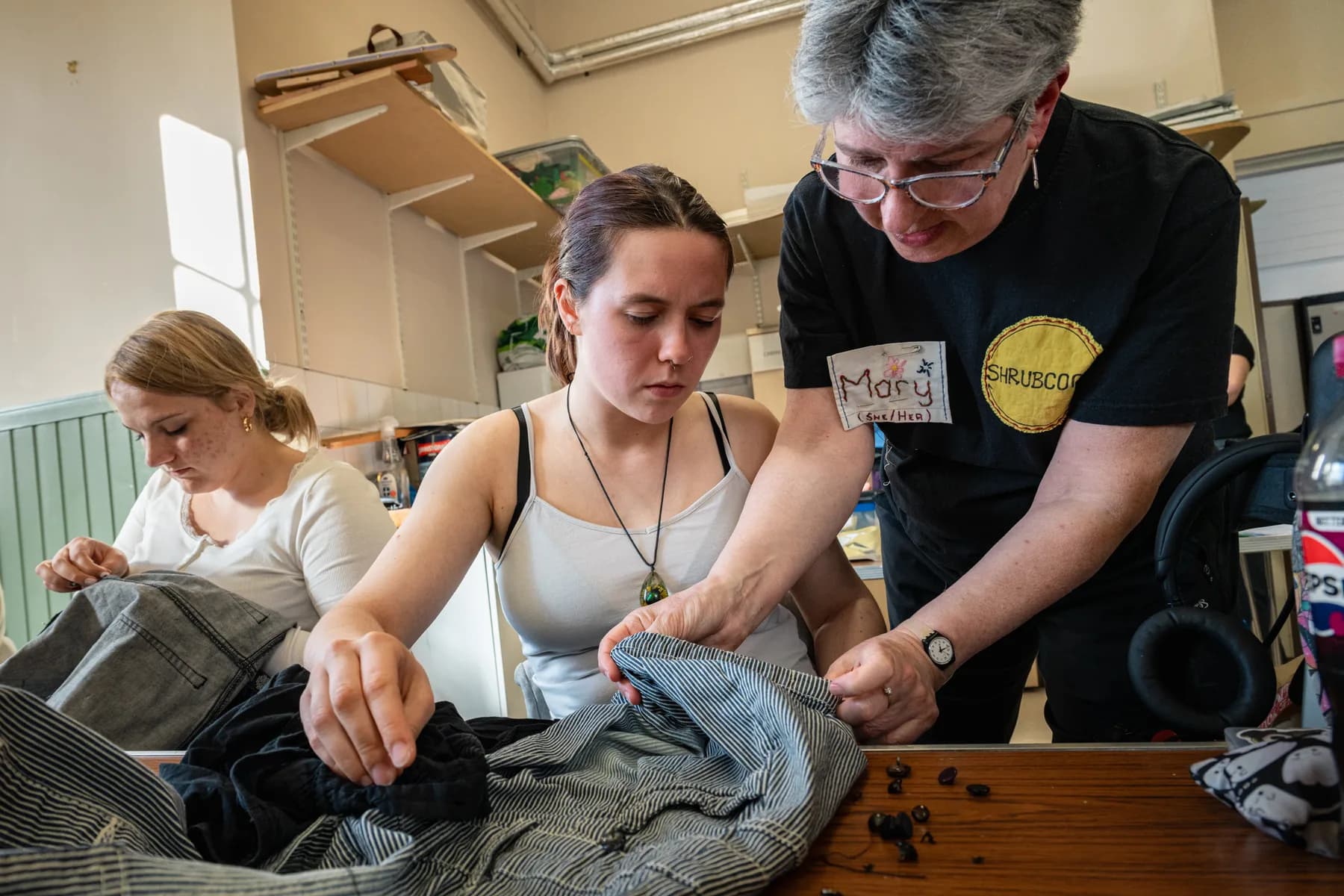
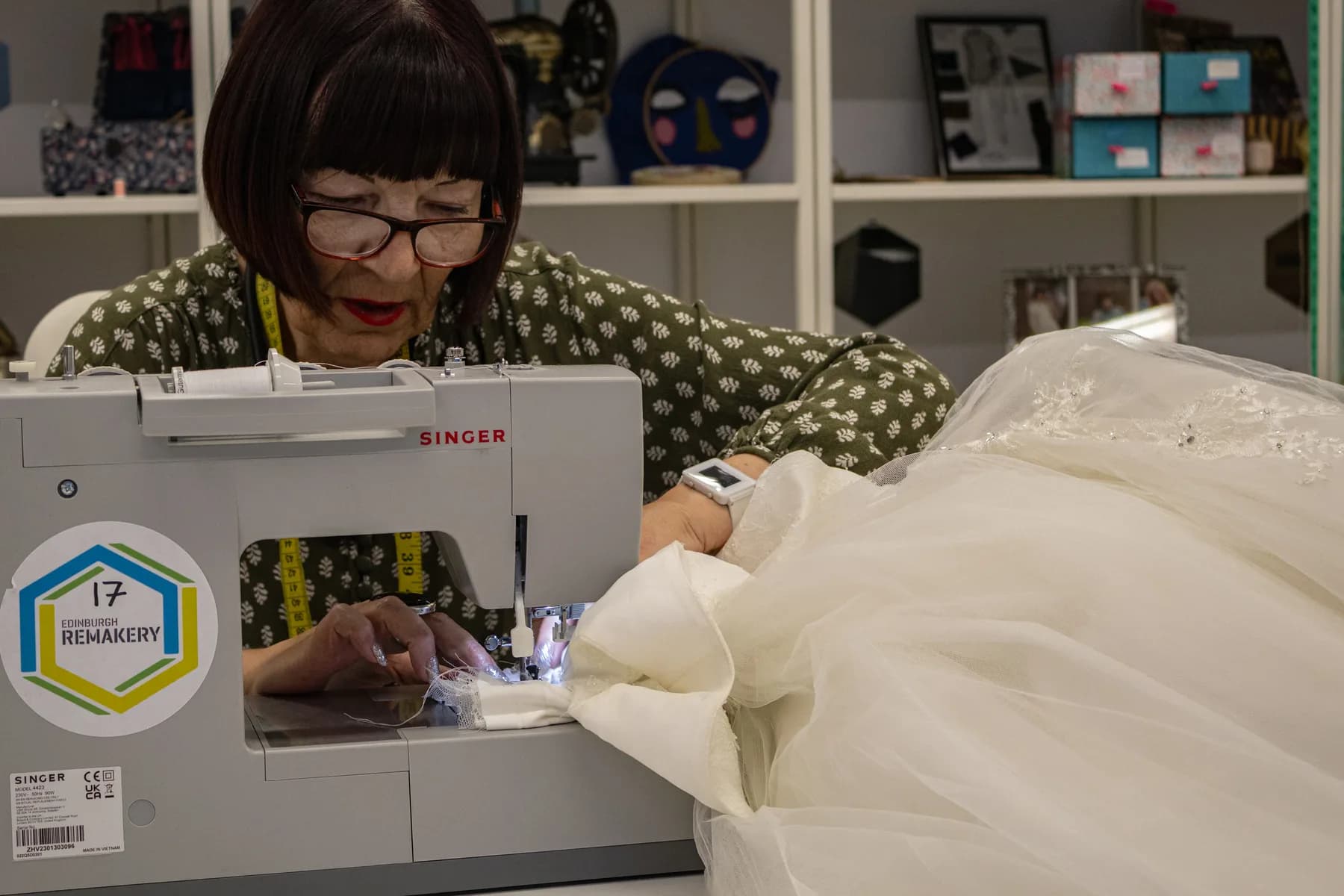
Mary Morton, organizer of SHRUB COOP’s Repair What You Wear group, helps Zag, one of the group attendees, with her project. Mary says that what makes SHRUB stand out over other textile and environmental activists is that they educate about the dangers of fast fashion while also teaching to mend, something other groups don’t do. Due to quickly changing fashion trends, textiles are being made of materials that are worse for the environment, but they are also ending up in landfills at alarming rates. Repairing what you already own, rather than buying new, not only helps people with limited resources, says Mary, but also keeps the environment safe.