
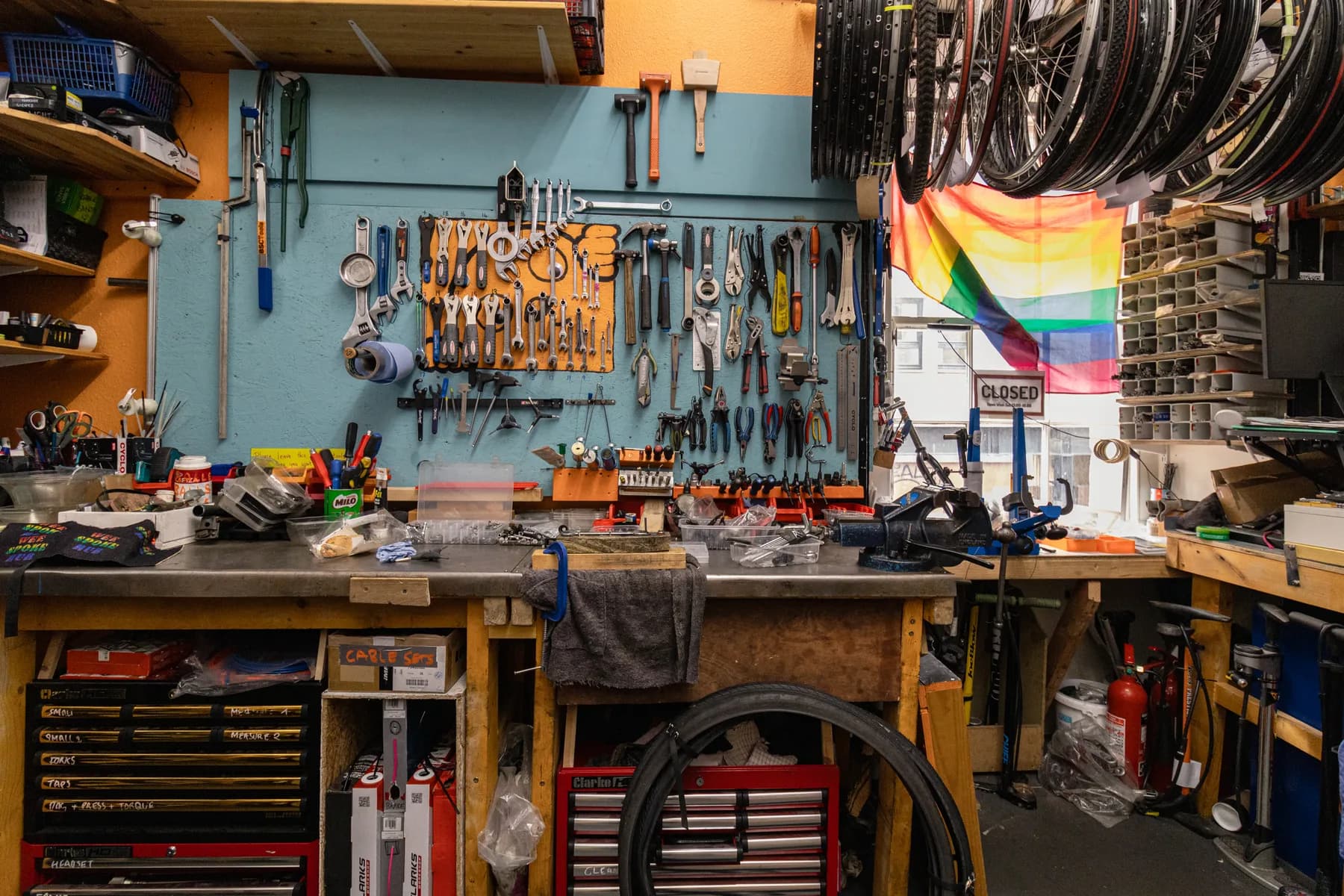
By Kelsey Leary and Dre Jacobs
Repair workshops, refurbished technology and surplus food connect Edinburgh’s circular economy to the people who need it most.
Explore the full story ↗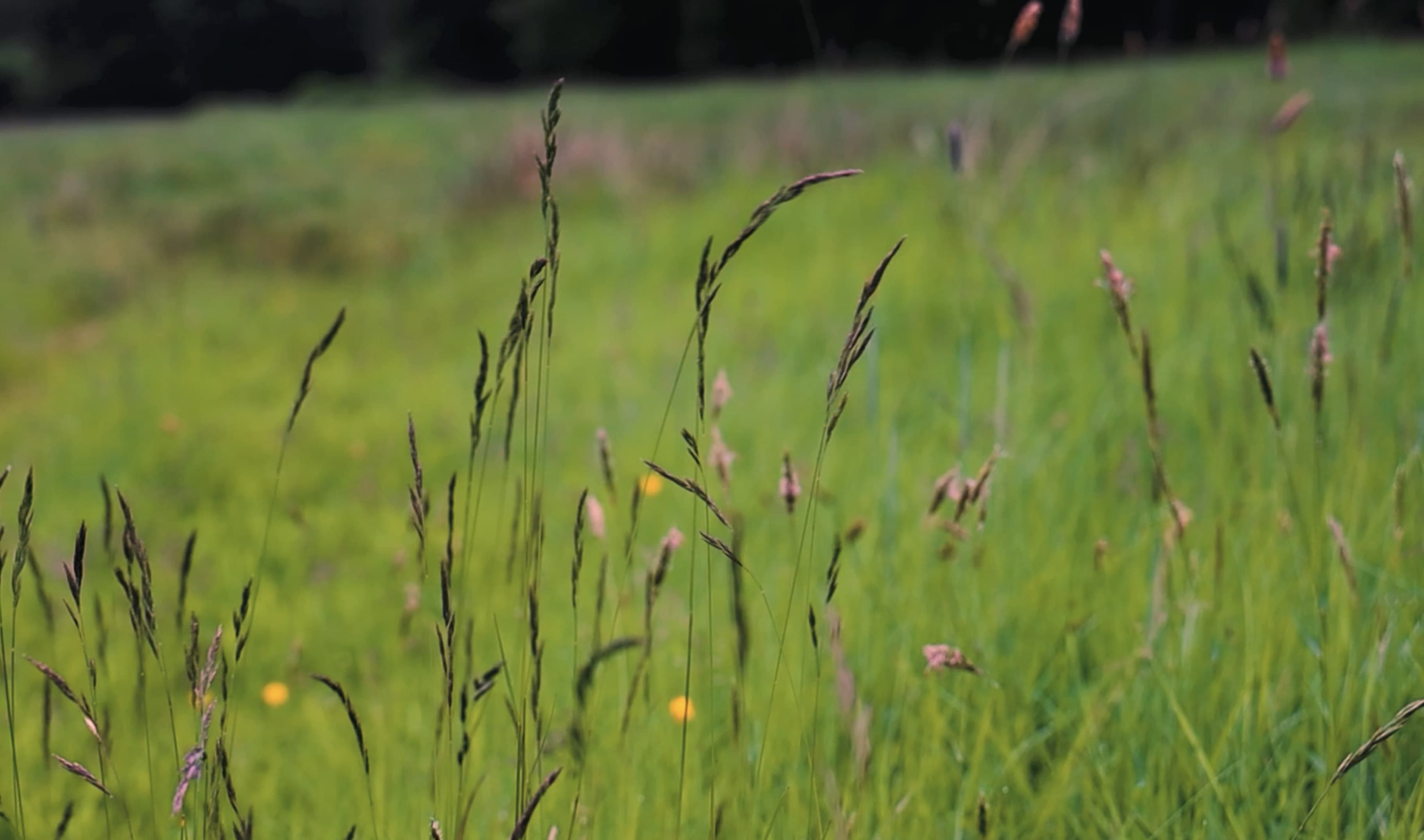
Visual Storytelling Immersion

Edinburgh & the Scottish Highlands
Newhouse students explore Scotland through visual stories about rewilding, sustainability and the communities shaping a more resilient future.
Read about the immersion at Newhouse ↗Overview
On the Highland Boundary Fault in northeast Perthshire, the 1,300-acre Bamff estate has belonged to the Ramsay family since 1232. For most of those centuries it looked the way a Scottish estate is supposed to look: sheep on the hills, barley in the fields, a gamekeeper on the payroll. Today it is one of Scotland’s most closely watched experiments in rewilding.
Paul and Louise Ramsay arrived in 1981 to crumbling buildings, a working sheep farm, and a commercial shoot. In 2002, after years of advocacy and government pushback, they brought Eurasian beavers back to land where the species had been gone for four centuries. The beavers turned old drainage ditches into ponds, felled plantation trees, and opened space for native growth. Tamworth pigs and a herd of Exmoor ponies followed, each reshaping the land in ways no human plan could. Fields once grazed down to plain green grass now hold wildflowers, shrubs, and grasses that hadn’t grown there in generations.
The changes show up in the people as much as the landscape. PhD researcher Patrick Cook once surveyed the rewilded area’s plants in three days. Now the count takes twice as long because there is so much more to find. Charlotte Needham tracks the moths returning with the flowers. Stuart Grant, a former gamekeeper, gave up his guns because he was “tired of killing things” and now helps tend the wetlands. Visitors who come for beaver watches and guided walks leave having seen what a recovering landscape looks like up close.
Critics say rewilding pushes people off the land. Louise Ramsay disagrees: it is “not about de-peopling, it’s about re-peopling,” an invitation for visitors, scientists, and neighbors to live alongside wildness. With their daughter Sophie, the Ramsays now propose “Cores and Corridors,” a model that would link wild places like Bamff along streams across the wider Scottish landscape. For now, they are content to let the pigs root, the beavers build, and the ponies graze, and to watch what the land does next.
Student Work
Five photo stories about a city working toward change.
By Kelsey Leary and Dre Jacobs
Repair workshops, refurbished technology and surplus food connect Edinburgh’s circular economy to the people who need it most.
Explore the full story ↗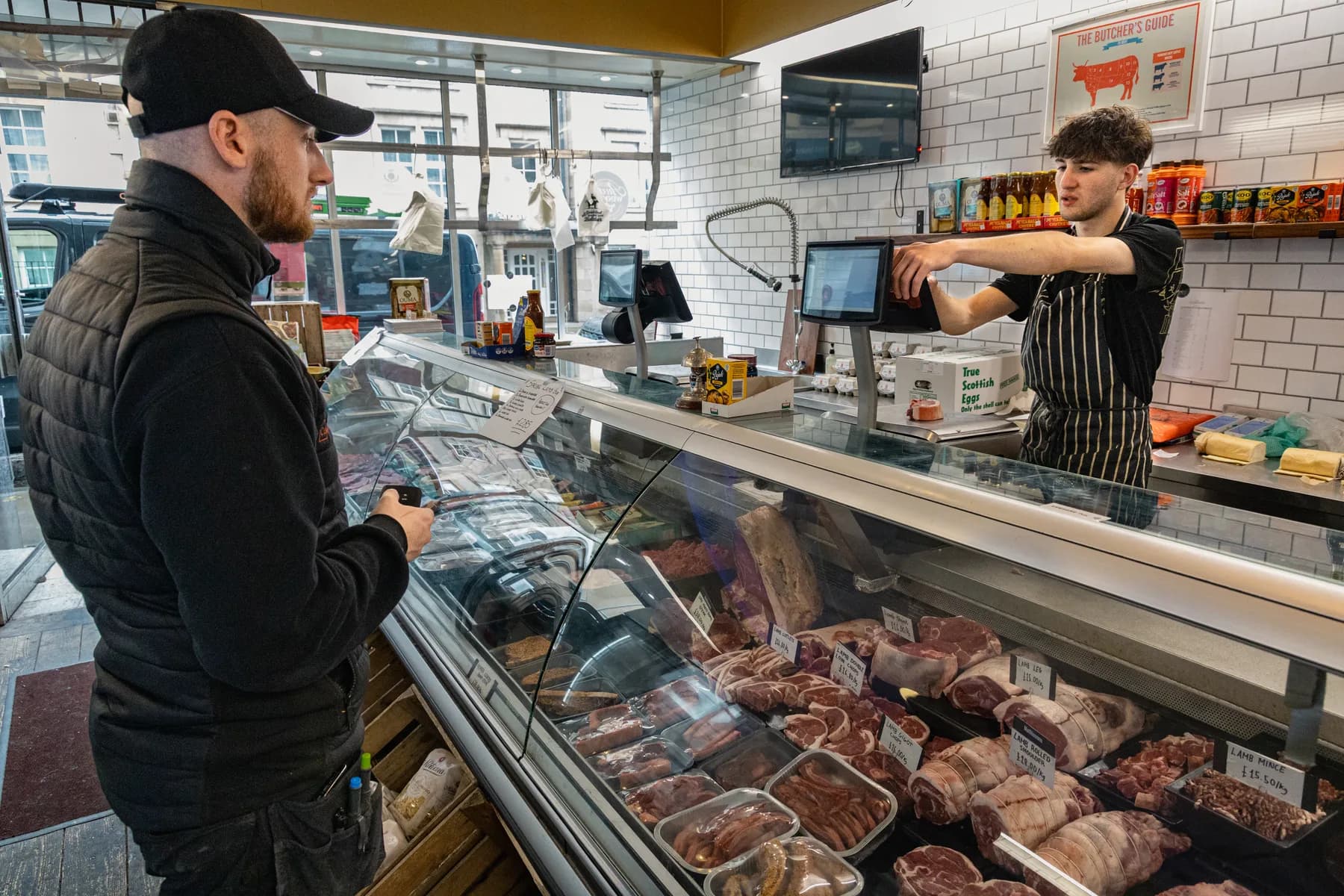
By Ellen Metwalli and Shea Griffiths
From urban farms to community kitchens, local organizations work to make fresh, sustainable food accessible across Edinburgh.
Explore the full story ↗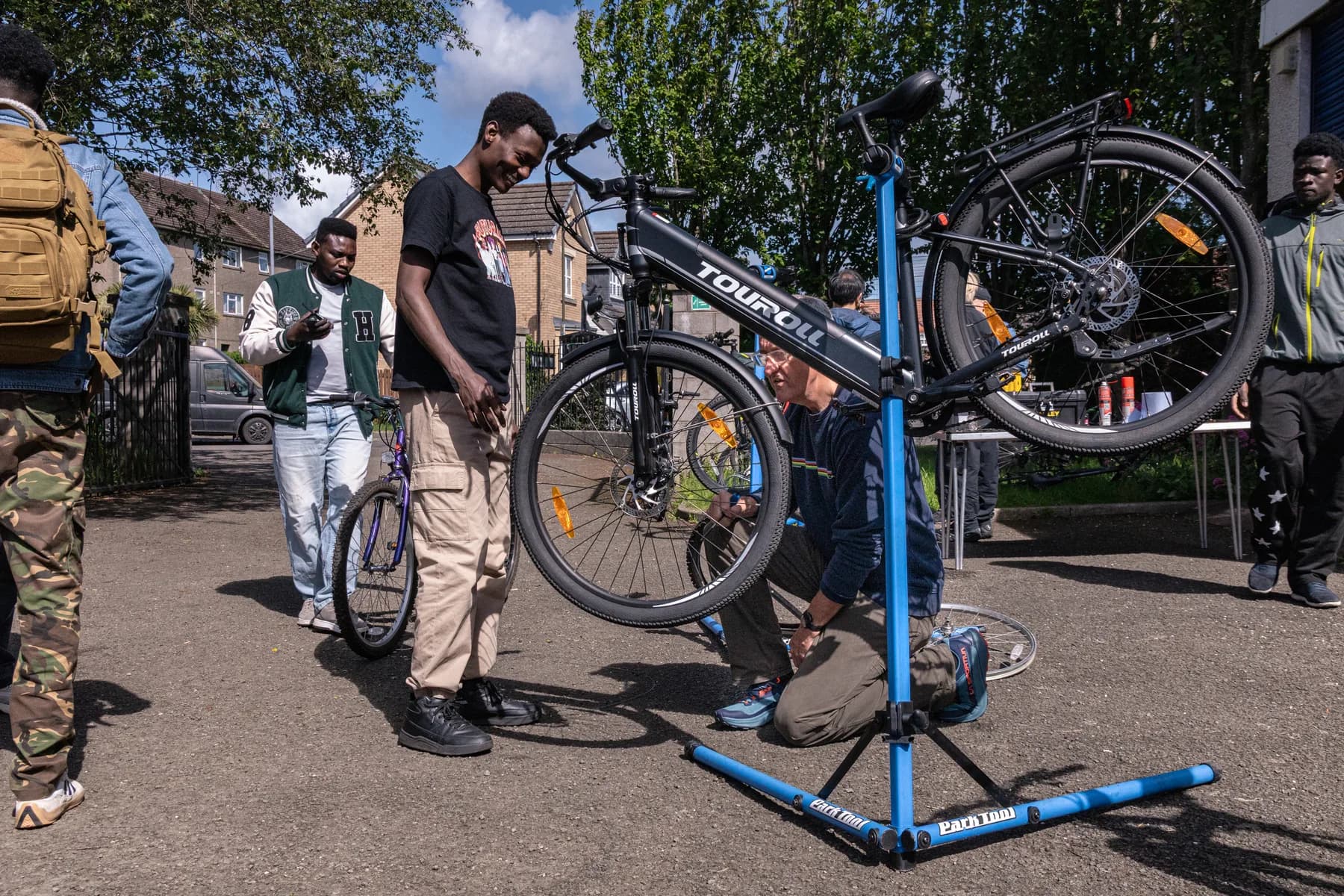
By Tariq Ali, Maddie Payne and Elliot Johnson
Bike repair charities, community clubs and adaptive cycling programs help more people move through Edinburgh on their own terms.
Explore the full story ↗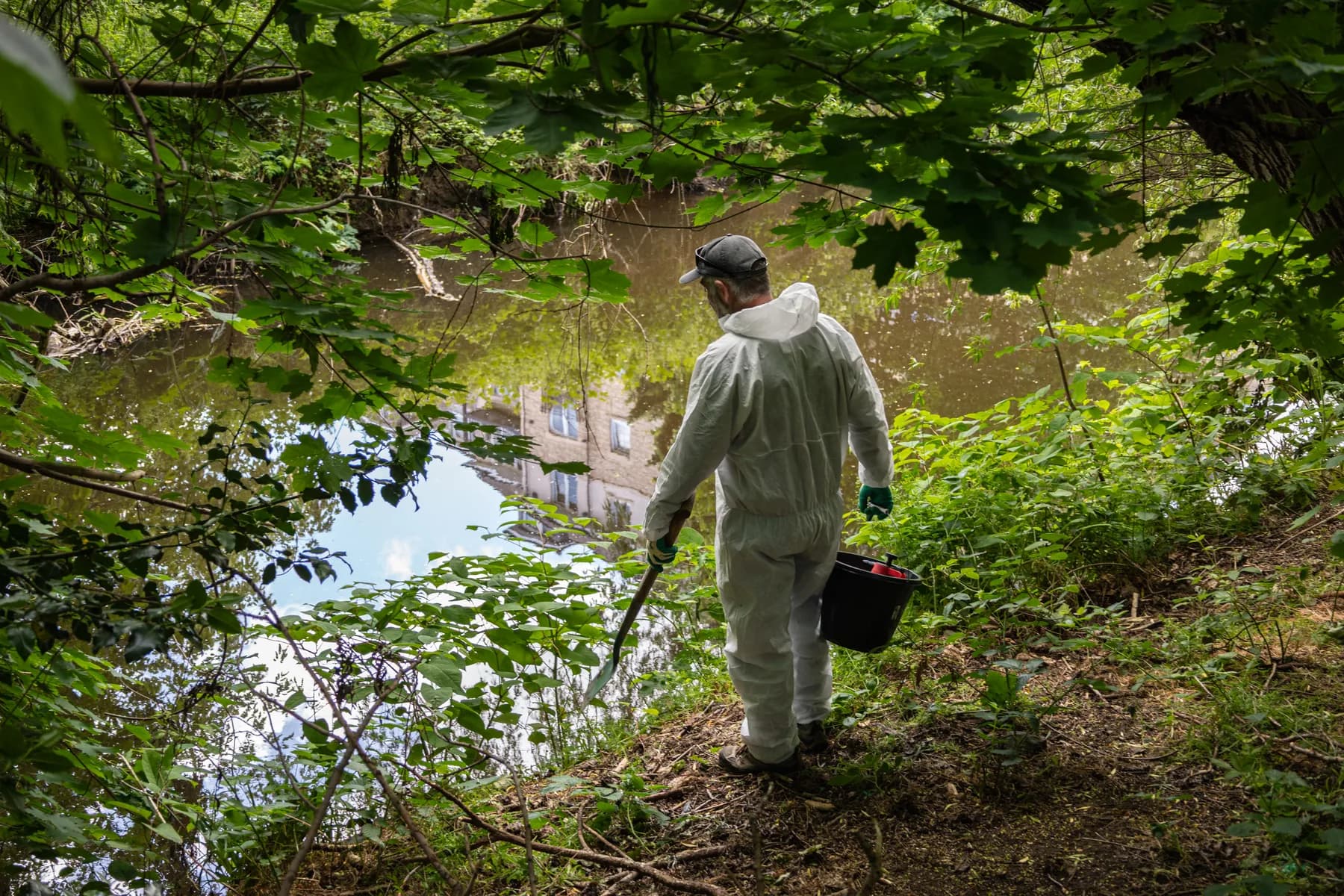
By Alicia Hoppes and Adeline Taylor
Along the Water of Leith and Edinburgh’s coast, outdoor learning connects a new generation to the waterways in its care.
Explore the full story ↗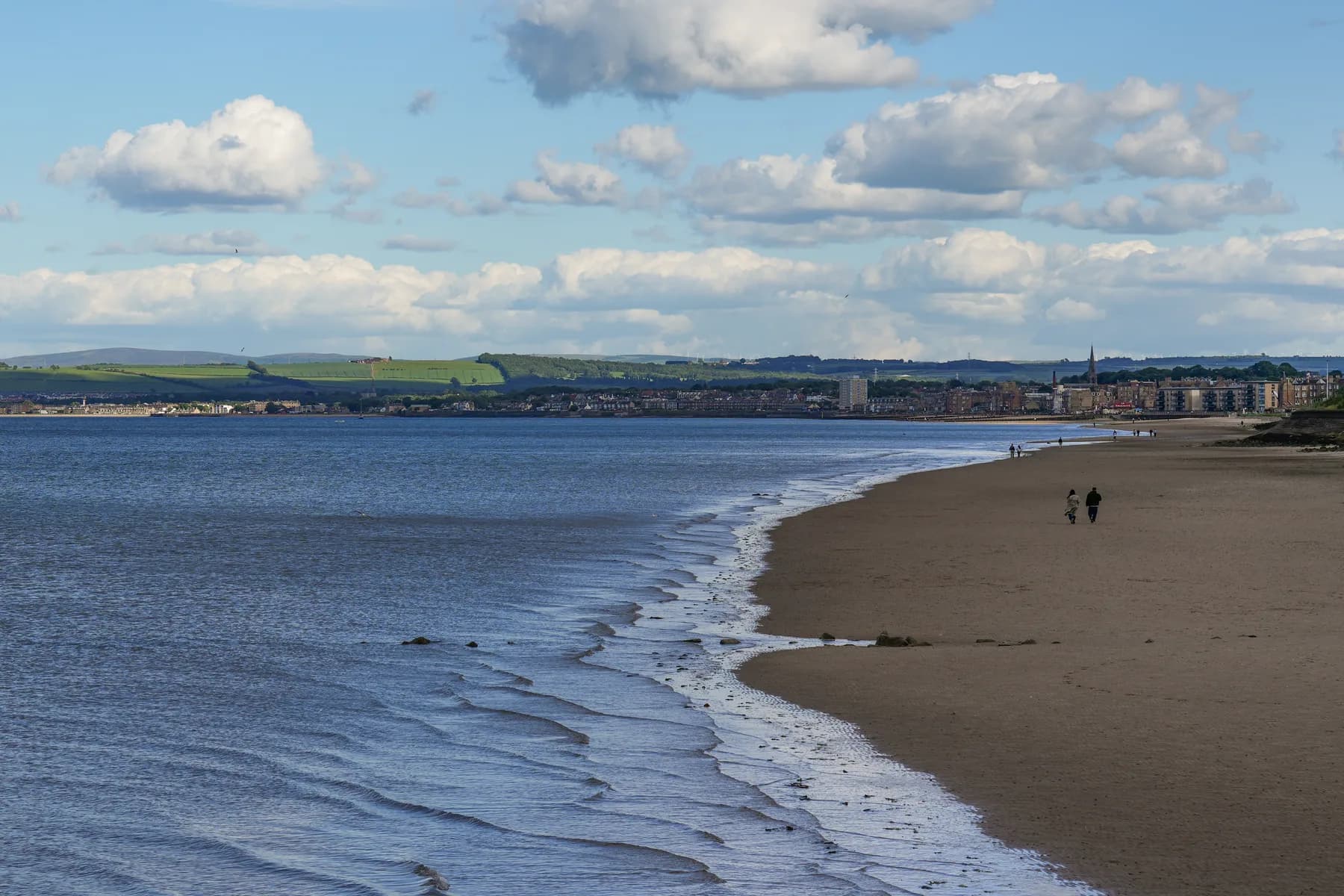
By Becca Beckas, Jack Henry and Colin Hulme
Woodland restoration and community conservation reveal the possibilities and challenges of bringing biodiversity back to the city.
Explore the full story ↗Behind The Stories
Through photography, filmmaking and design, Newhouse students explore rewilding at Bamff Wildland and community-led environmental initiatives in Edinburgh. These stories bring together their reporting on people, place and sustainability in Scotland.
FacultyMichael O. Snyder
Assistant professor of visual communications
PhotographersAdeline Taylor, Alicia Hoppes, Becca Beckas, Colin Hulme, Dre Jacobs and Shea Griffith
FilmmakersEllen Metwali, Elliot Johnson, Jack Henry, Shea Griffith and Maddie Payne
DesignersKelsey Leary and Tariq Ali
More About The Experience ↗