Biodiversity is declining faster than at any time in human history. Between 1970 and 2020, monitored wildlife populations fell by an average of 73 percent, according to WWF’s Living Planet Report, and an estimated two in five plant species worldwide are now threatened with extinction. Expanding cities put pressure on the natural systems people depend on. Scotland was one of the first countries where most people lived in towns and cities, a shift that began in the 1800s, and urban growth continues to cost Edinburgh more than 11 hectares of green space every year. How can urban Scotland support biodiversity, and what role do local communities play in driving ecological change?
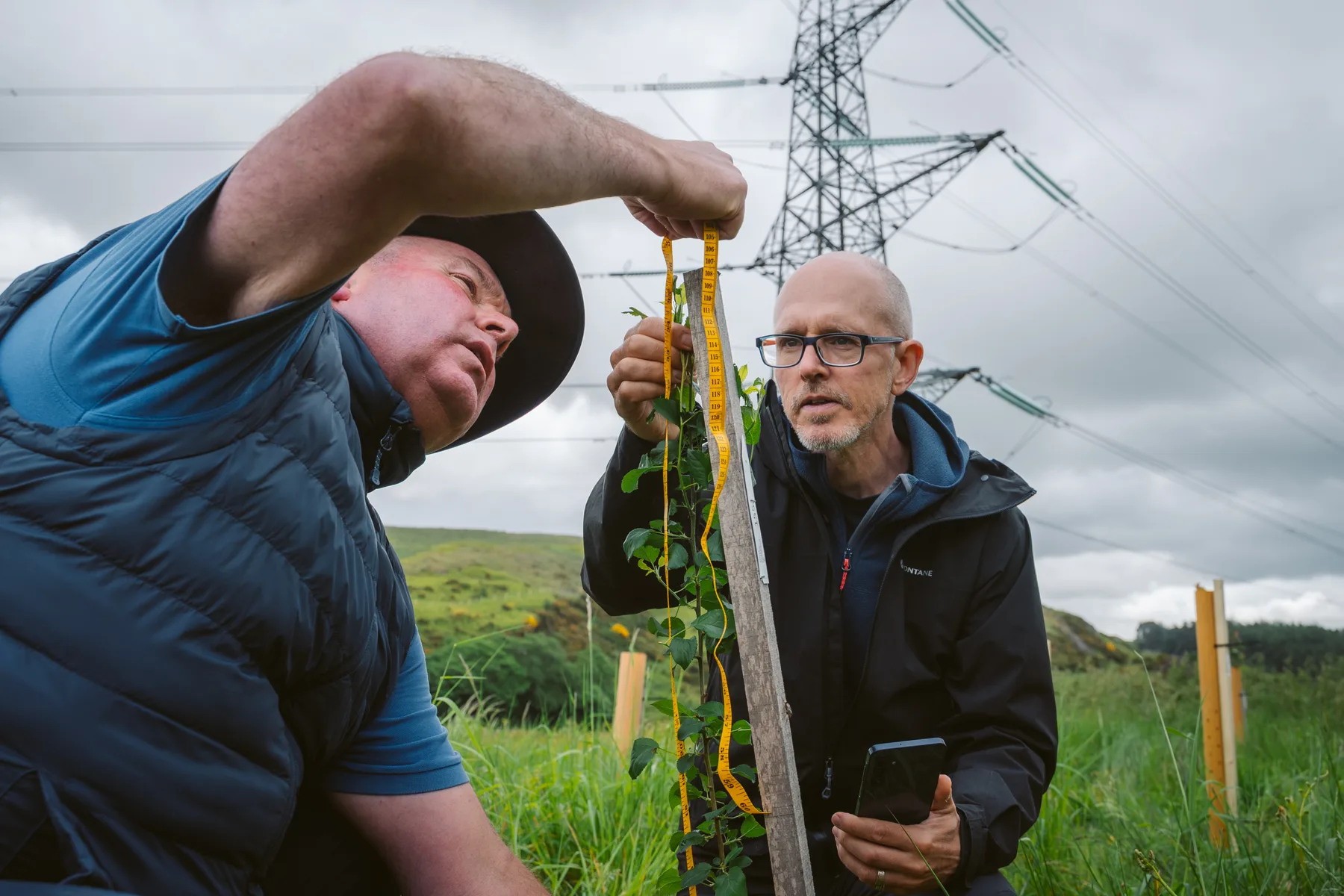
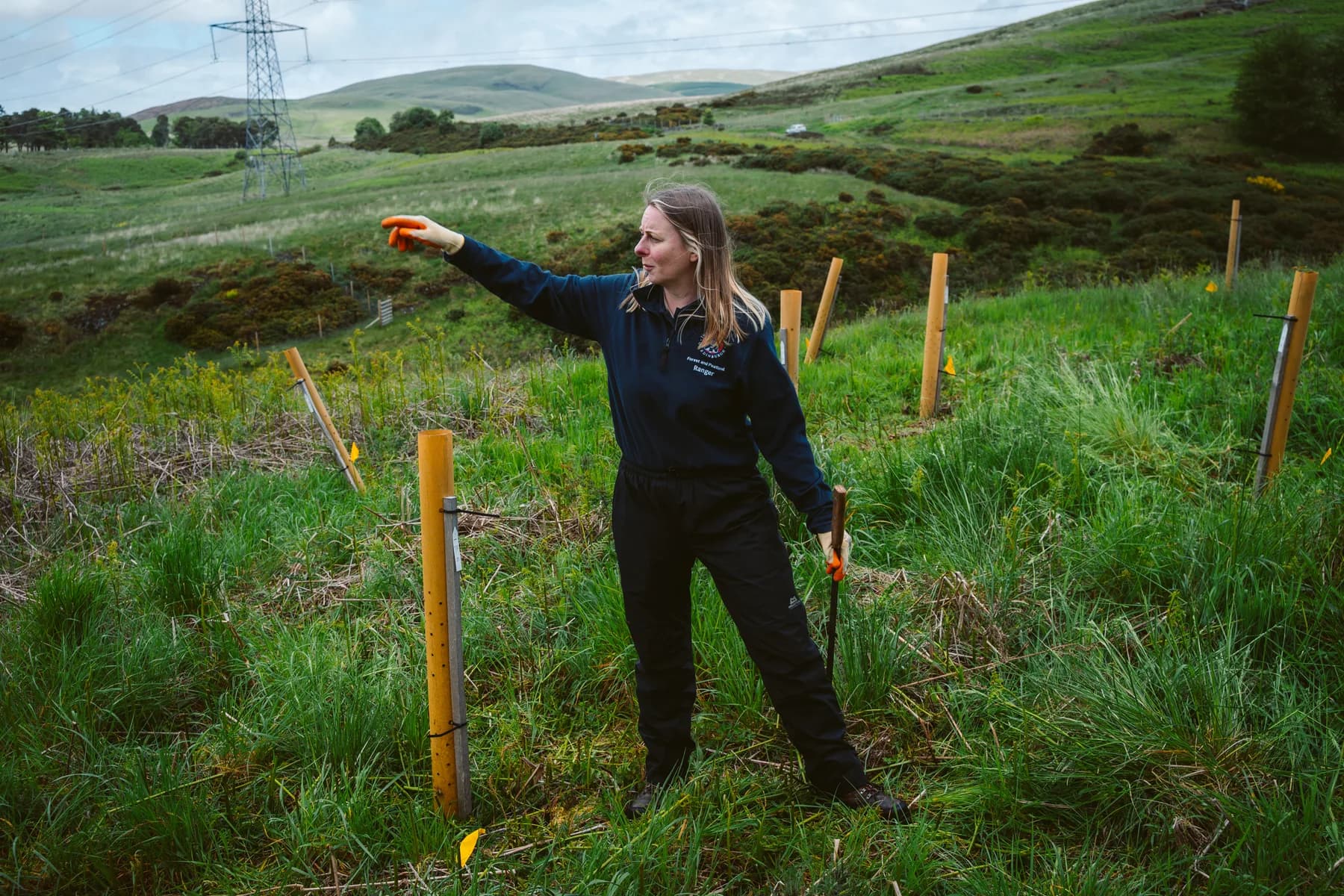
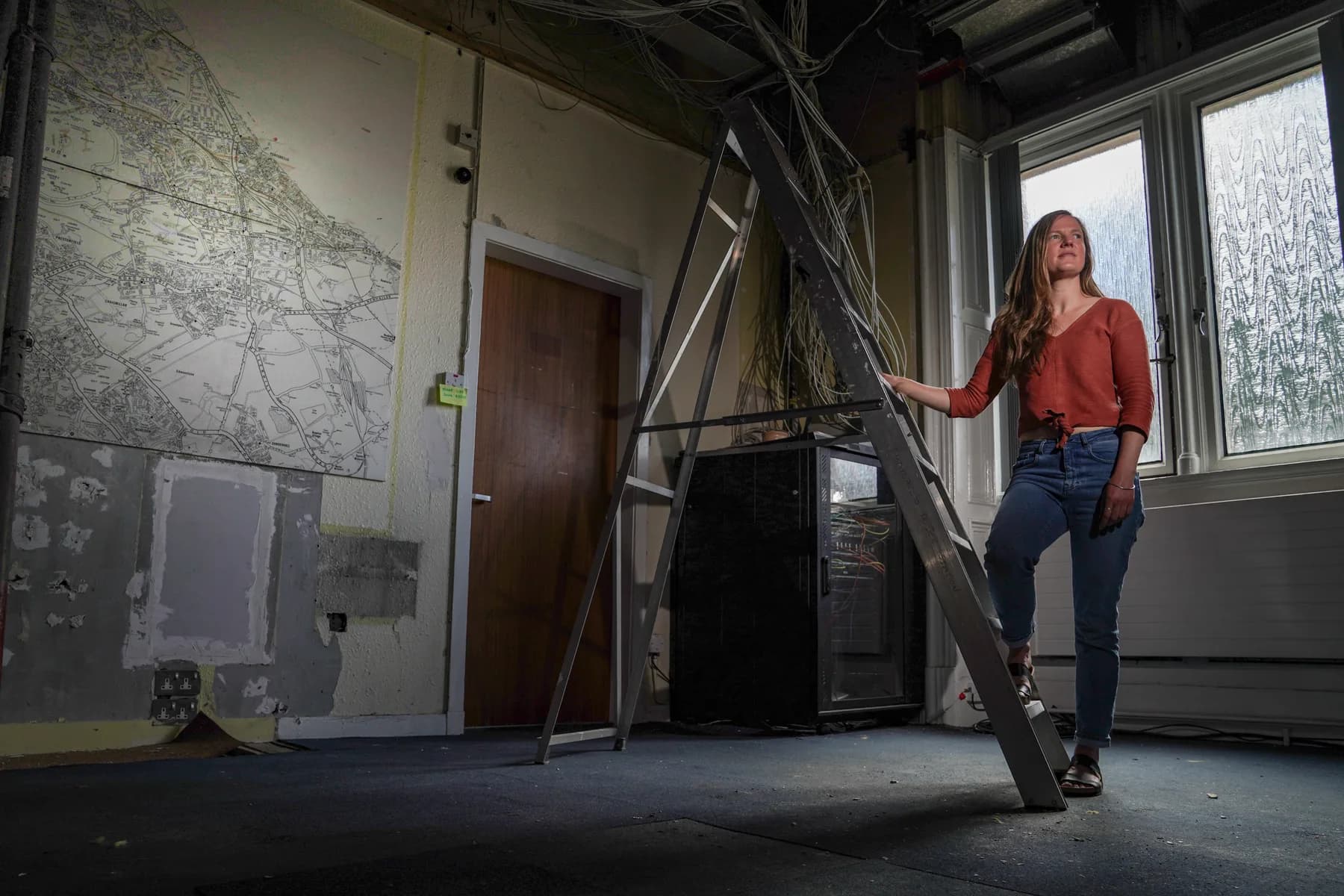
One answer is rewilding: restoring ecosystems at a large scale and allowing nature to recover on its own. Through its Forest and Peatland Programme, the University of Edinburgh is creating new woodland on land it owns in central Scotland, planting native trees on former farmland and grazing land. At Rullion Green in the Pentland Hills, just south of the city, more than 37,000 trees have been planted. At Drumbrae, in the Ochil Hills near Bridge of Allan, the total has passed half a million. Community Ranger Julie Wilson and her team use data from these sites to track carbon storage and the return of wildlife. Much of that data is collected by volunteers, students, local residents, and public, private, and third-sector partners who share the goal of an ecologically thriving region.
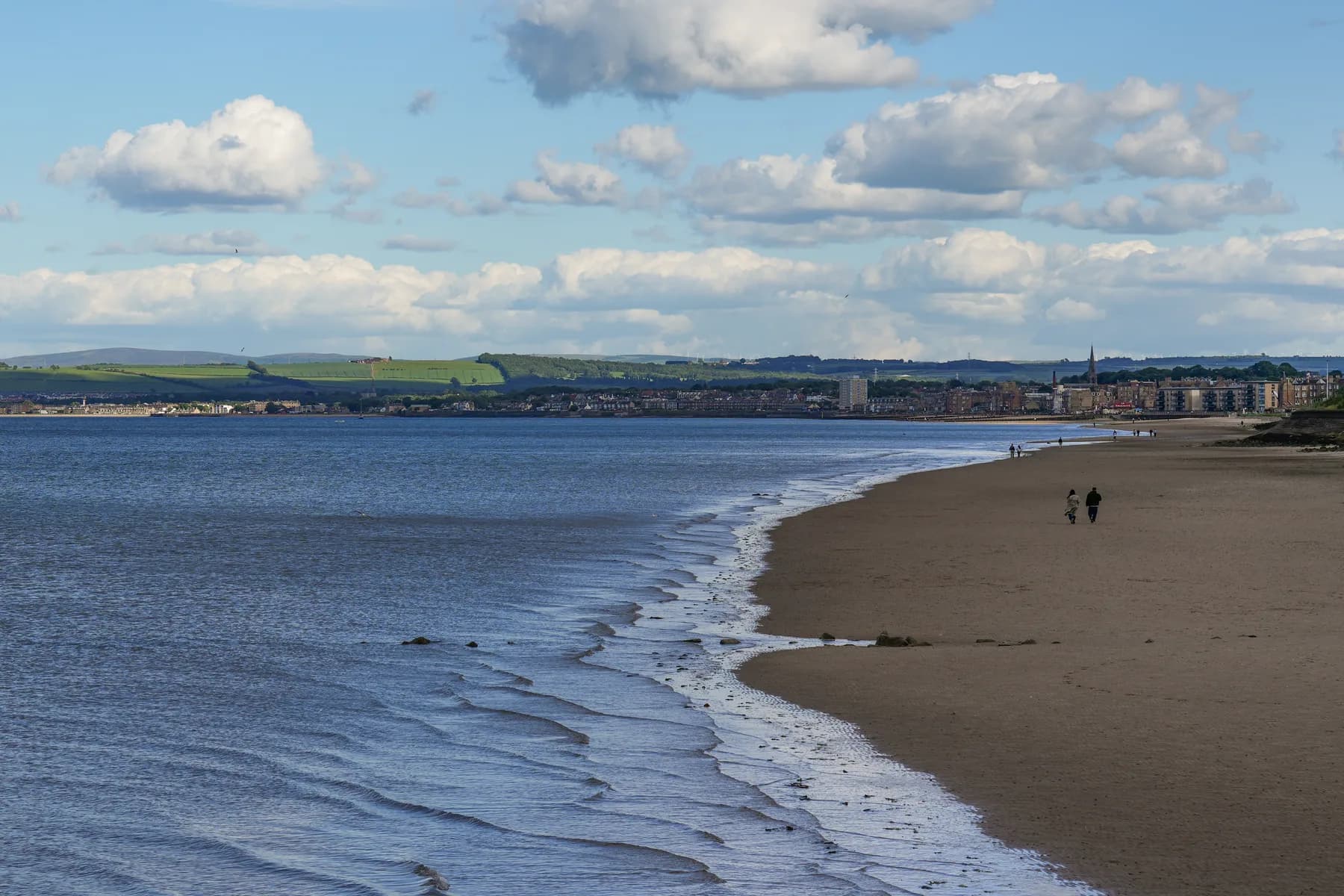
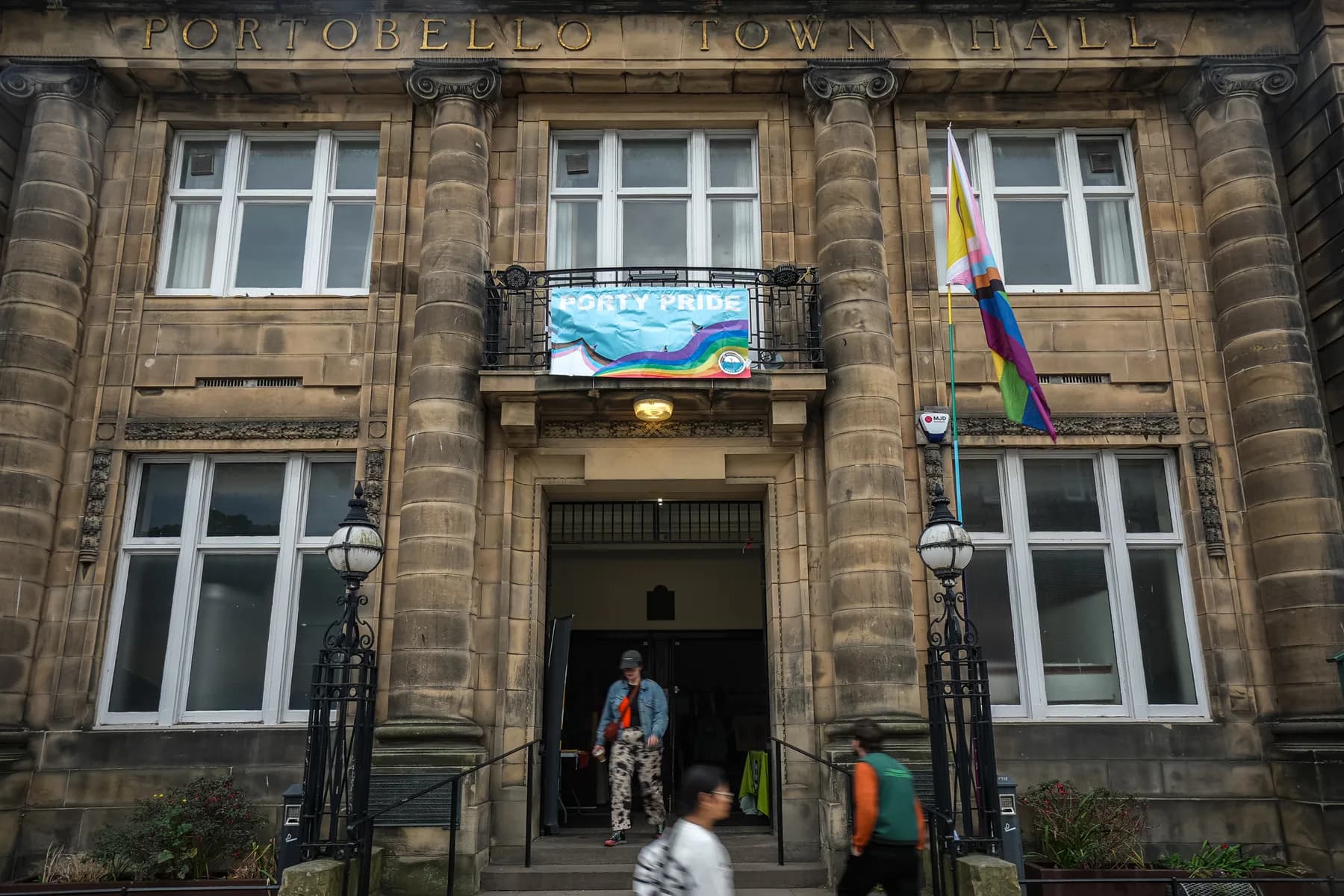
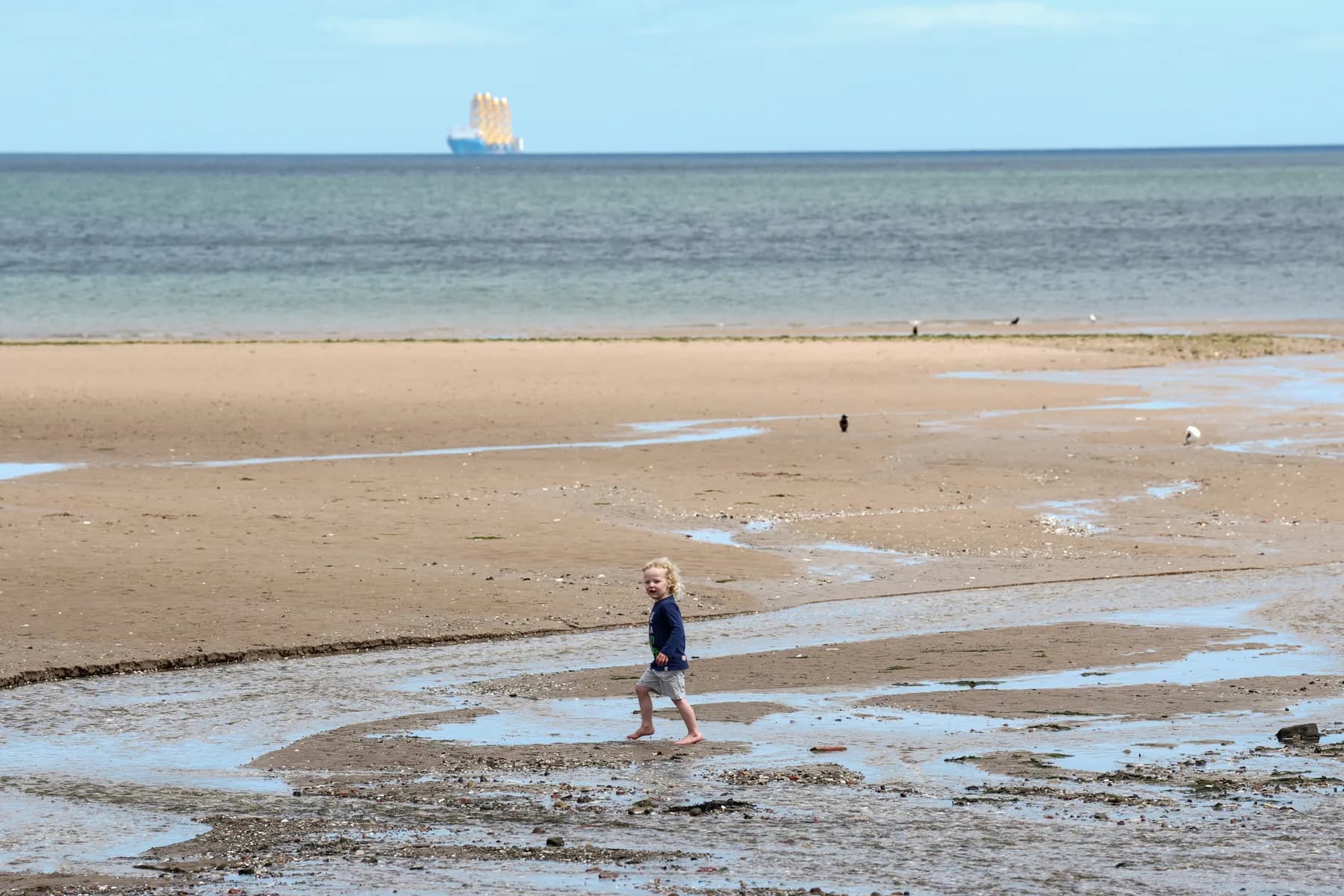
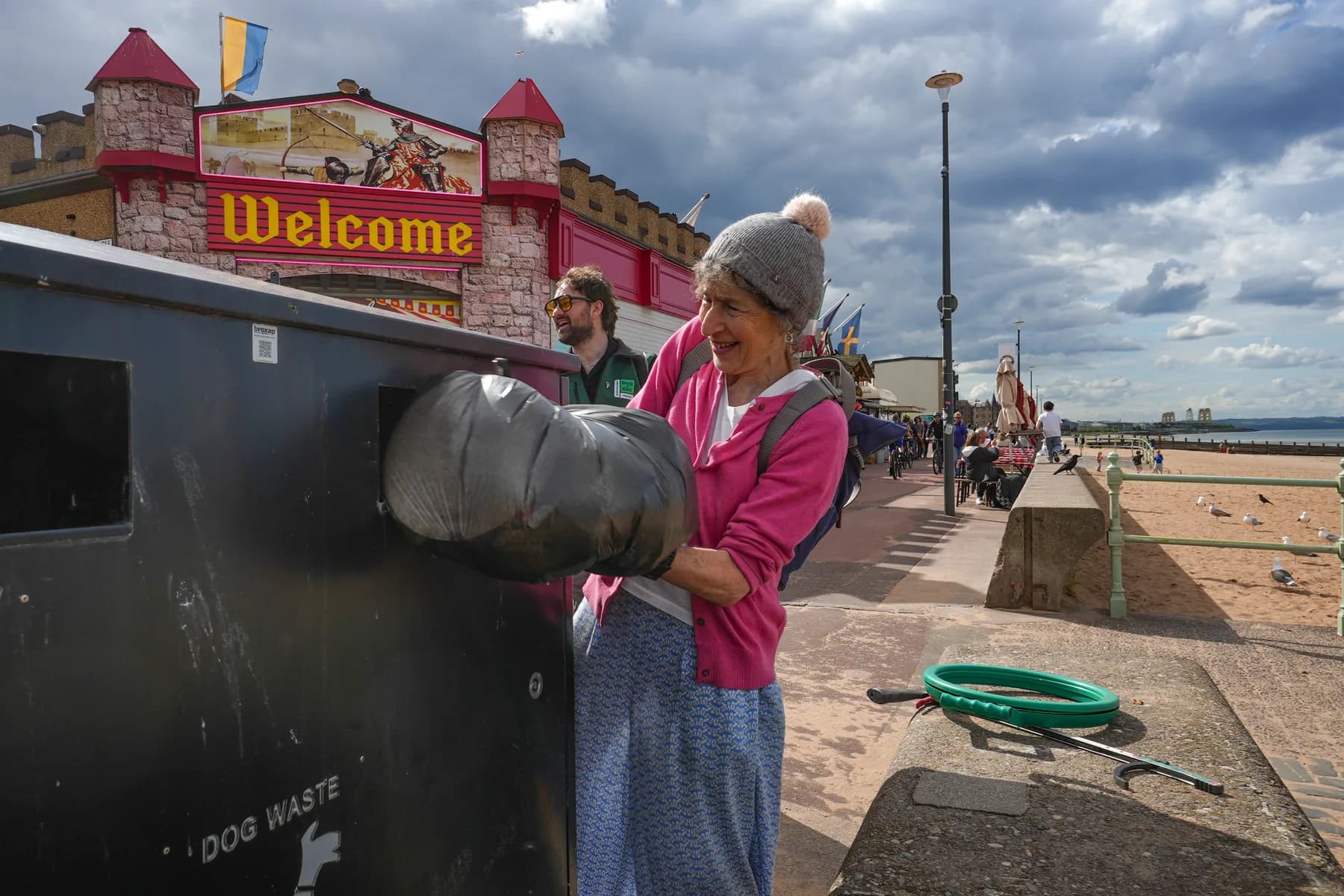
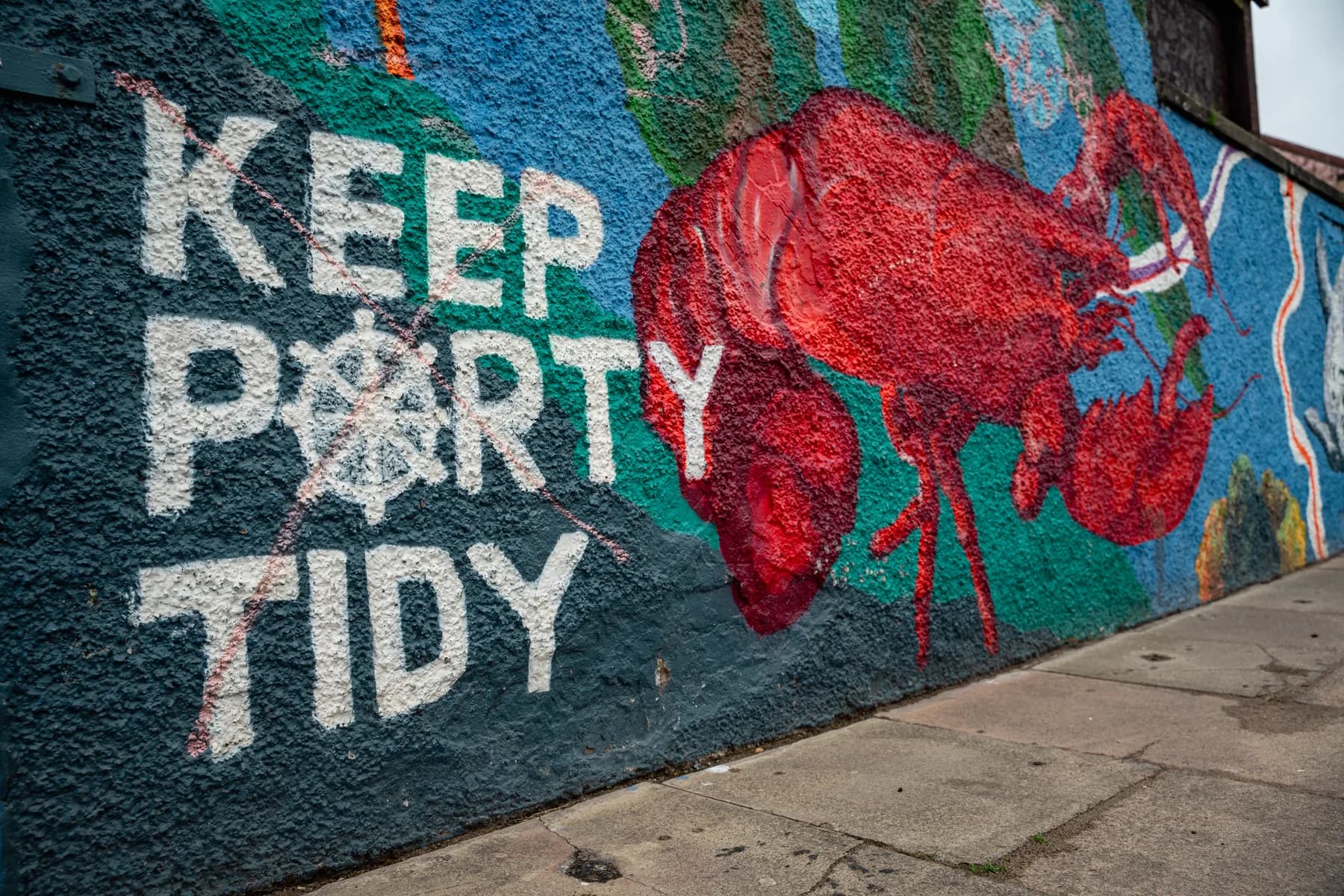
From woodland sites outside the city to coastal neighborhoods like Portobello, much of the responsibility for environmental care has fallen to the communities most affected. On one of Edinburgh’s busiest beaches, residents dodge polluted water and, when the wind is right, the smell of the nearby Seafield wastewater treatment works. Water from the Pentland Hills reaches the sea at Portobello by way of the Figgate Burn, where sewage overflows reach the shoreline and invasive hogweed grows along the banks. Here, it has been left to community leaders like Sophie Eastwood to organize efforts to keep public spaces clean so that native biodiversity can return to the beaches and waterways. Through community litter picks, wildlife surveys, and education initiatives, Eastwood has become a driving force for community-led climate action in Portobello.
Across the United Kingdom, aging infrastructure, including overburdened sewage systems, has left waterways and green spaces struggling with pollution and invasive species. In 2025, the Porty Water Collective found dangerously high levels of E. coli in Portobello’s bathing waters, even though the Scottish Environment Protection Agency (SEPA) classified them as “sufficient,” the lowest passing grade. Decades of slow action have allowed invasive species introduced by people to crowd out native plants, and with them much of the genetic diversity of Scotland’s native flora. In response, the University of Edinburgh is planting trees of varied genetic origins at sites like Drumbrae to test which will thrive best in Scottish conditions. Systemic problems still stand in the way, but these efforts show that meaningful environmental change is possible in and around even a busy capital city.
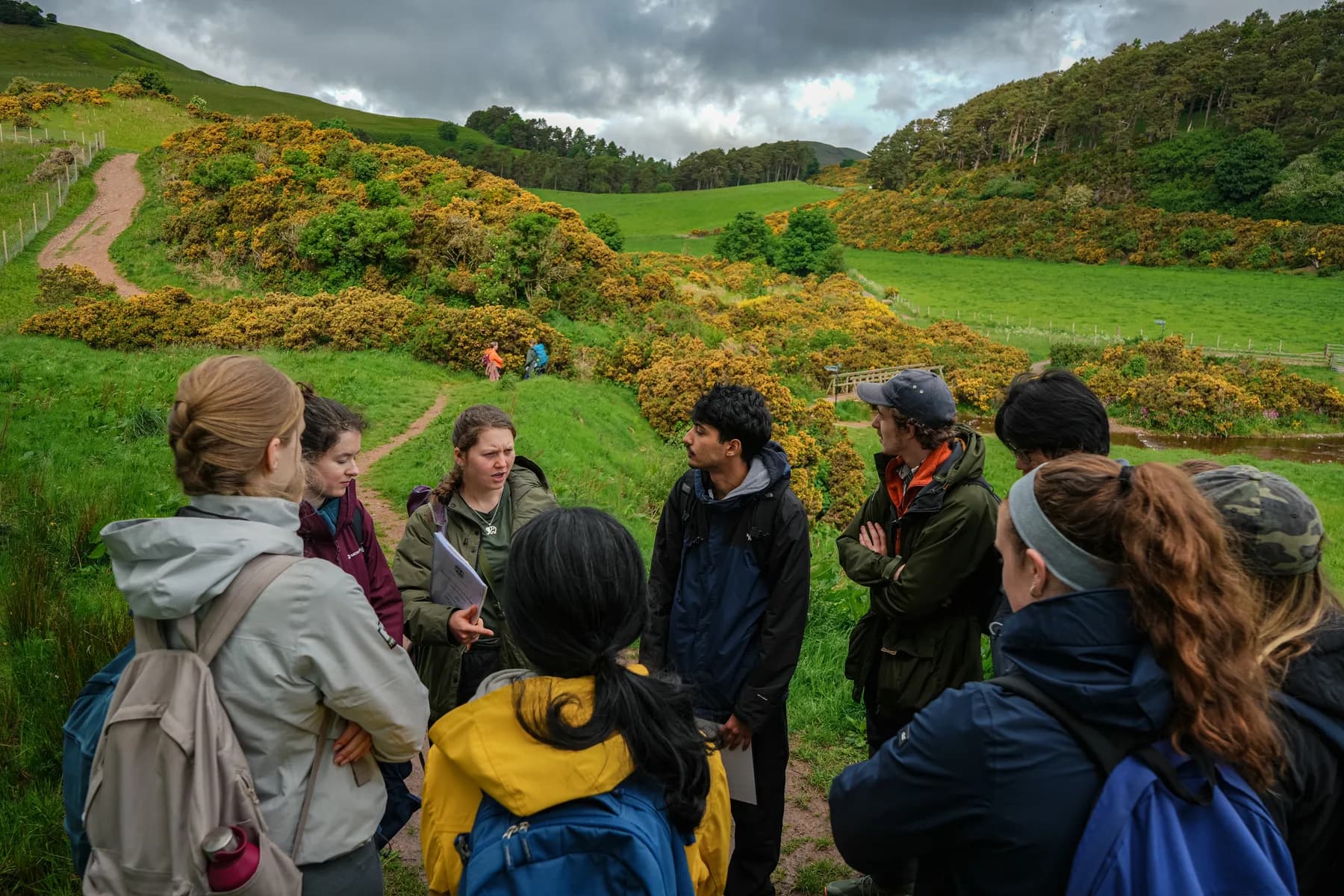
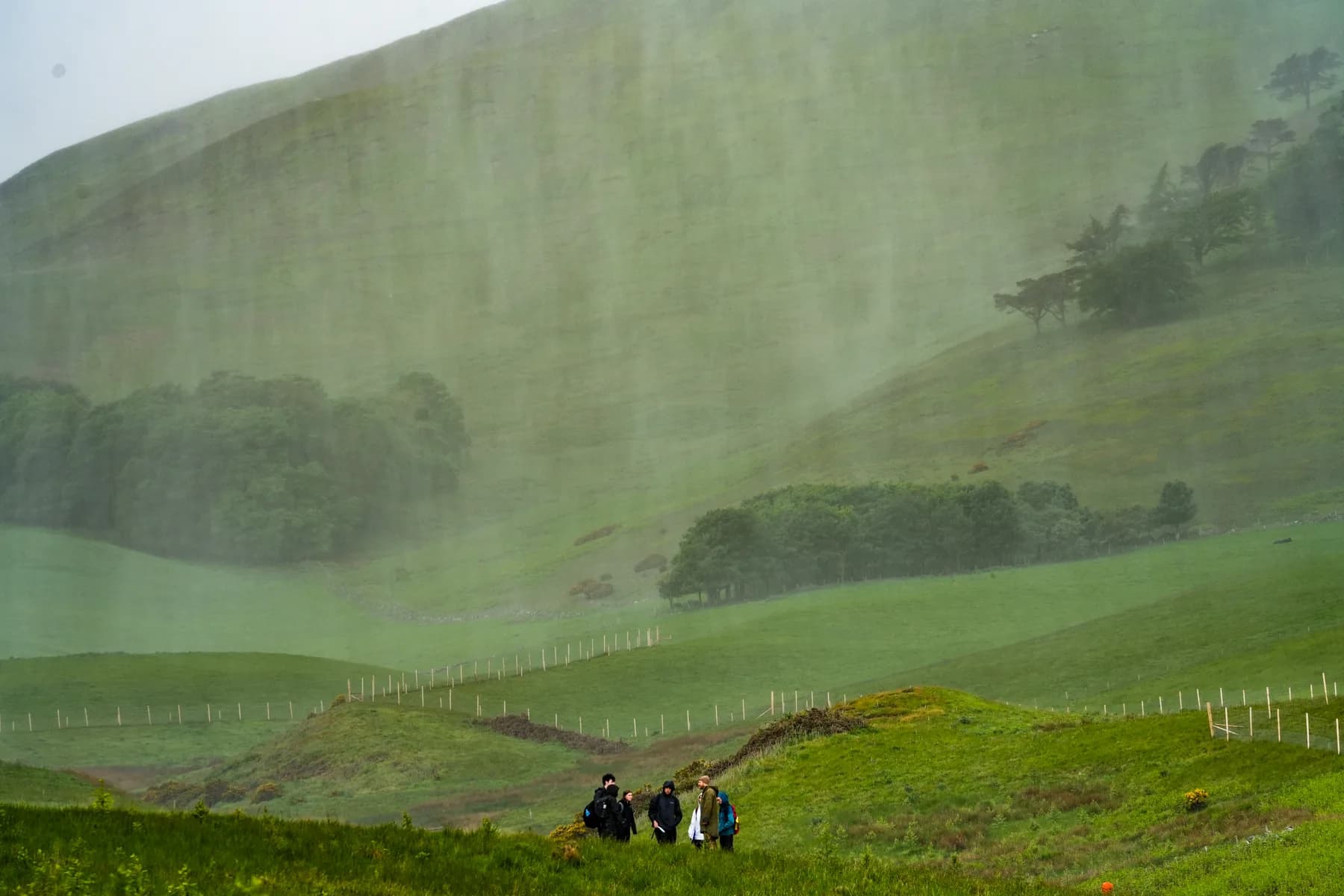
A group of students from the University of Edinburgh are led by a PhD student, Alice, to collect data for research on native grasses at Rullion Green Wood. The grasses help indicate the health of young trees planted by the university on the formerly developed land.
Photograph by Becca Beckas
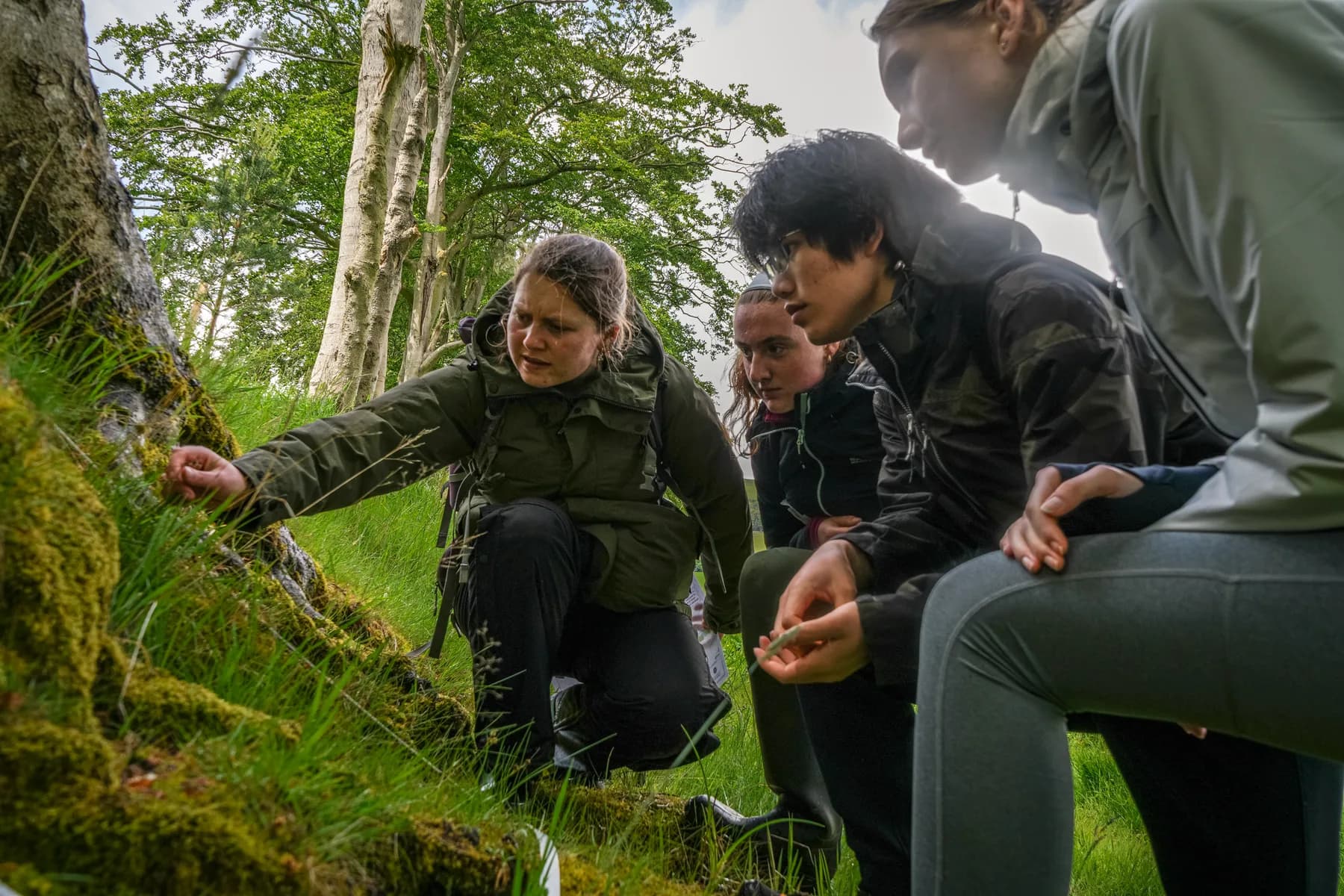
A group of students from the University of Edinburgh are led by a PhD student, Alice, to collect data for research on native grasses at Rullion Green Wood. The grasses help indicate the health of young trees planted by the university on the formerly developed land.
Photograph by Becca Beckas
Photograph by Becca Beckas
Photograph by Becca Beckas
Photograph by Becca Beckas
Photograph by Becca Beckas
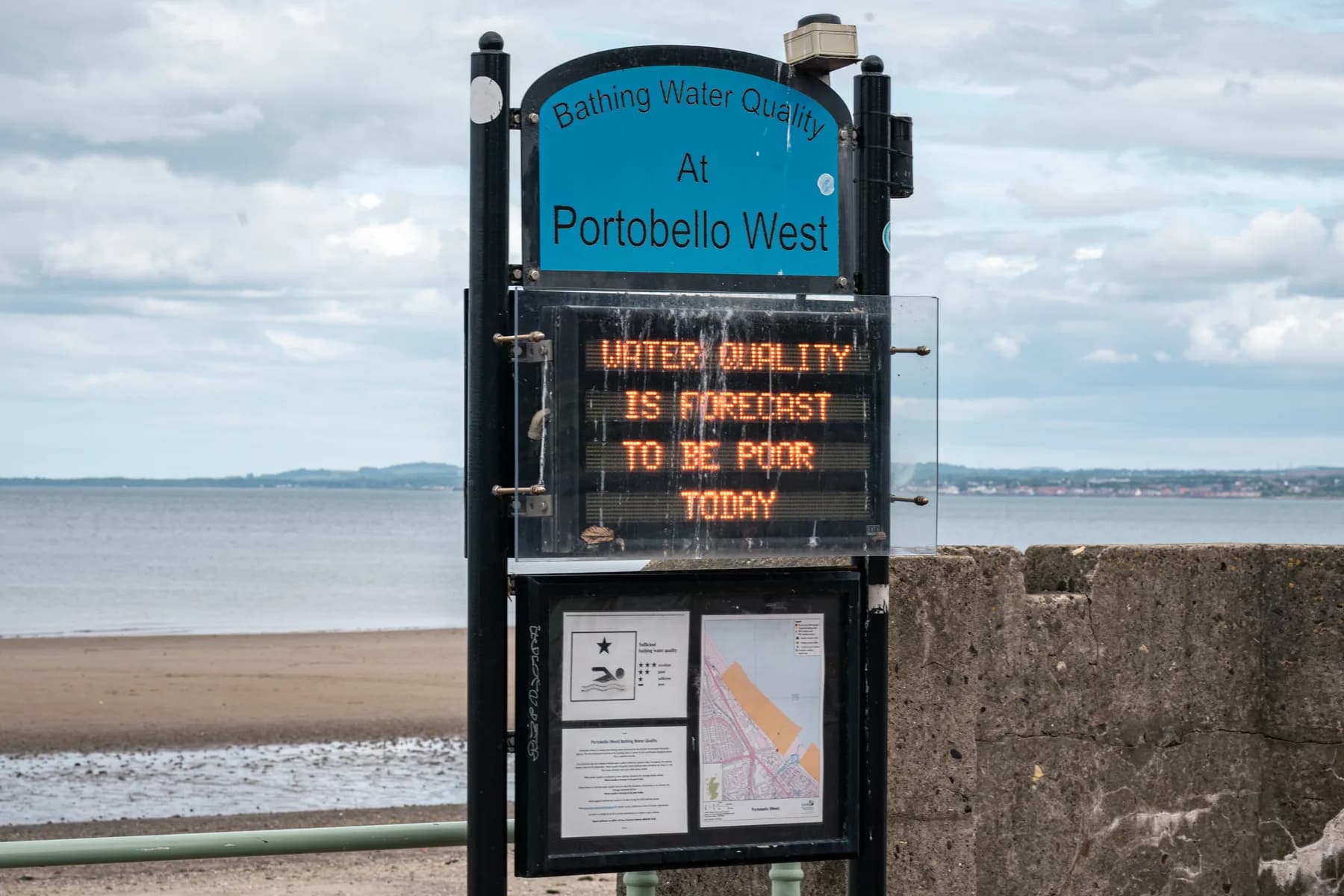
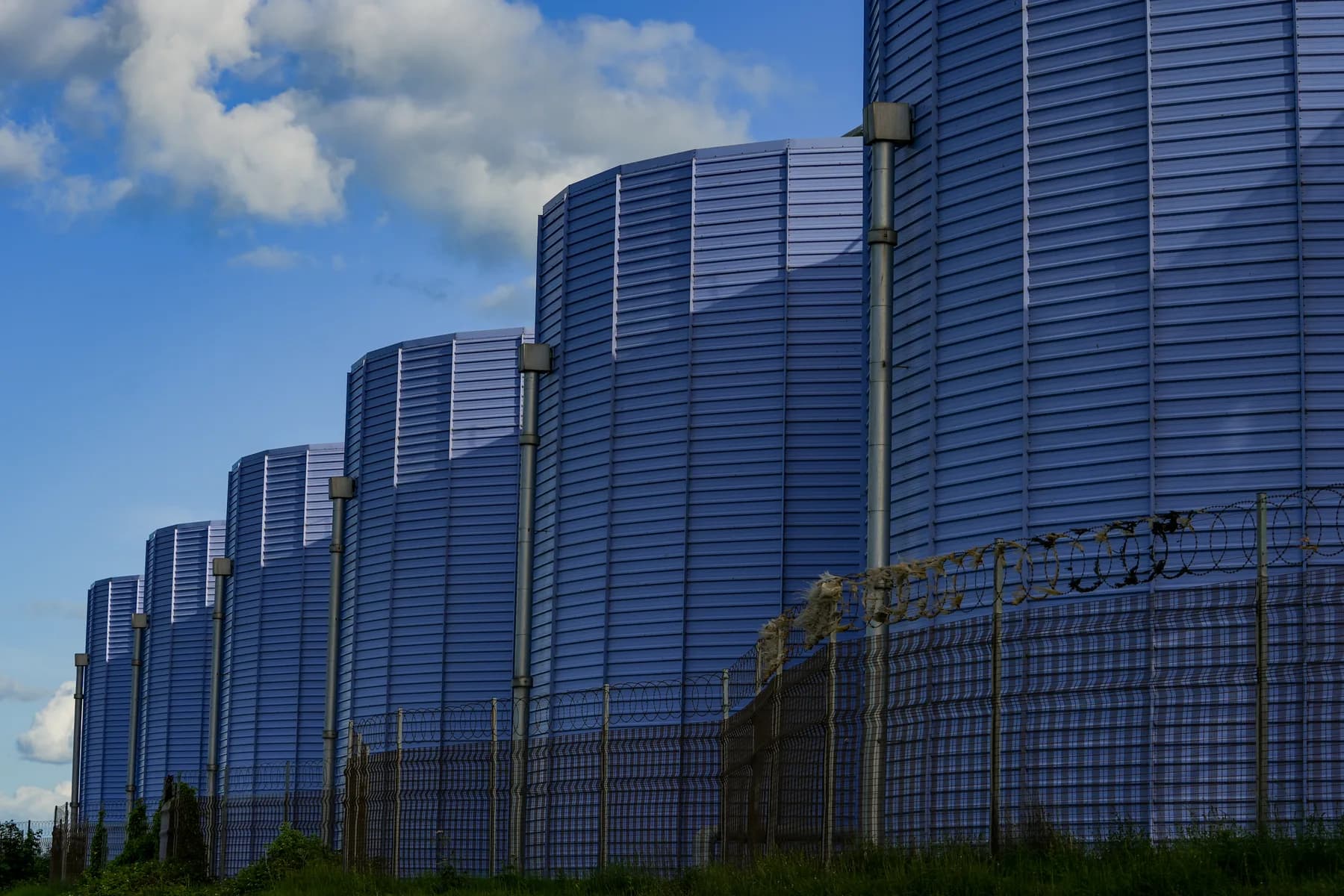
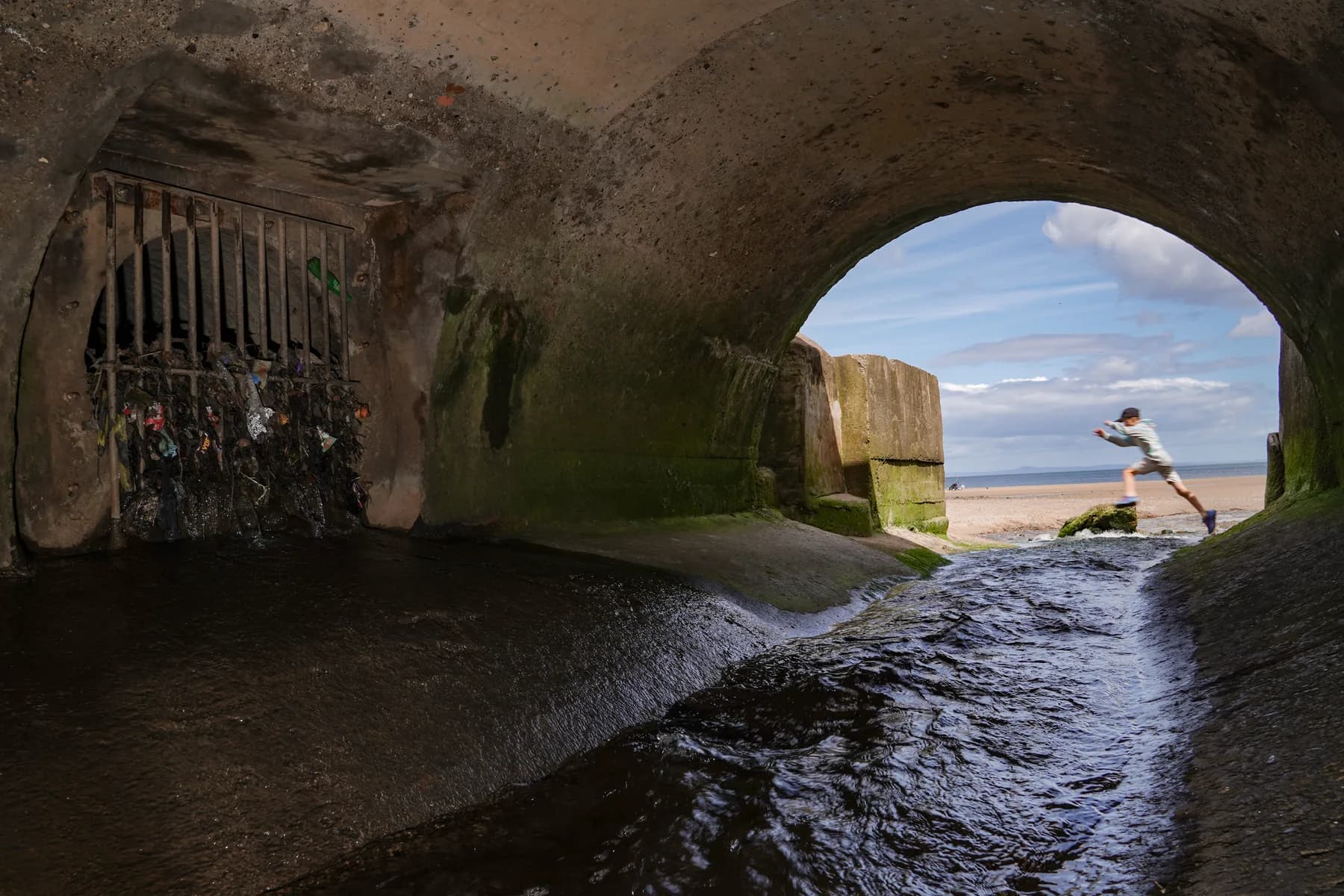
Hidden from the eyes of passerby's, Portobello's sewage system seaps onto the beach and into the water where the community plays. The sewers cannot hold the expanding population, causing overflow drains to be used far more often than they should.
Photograph by Jack Henry
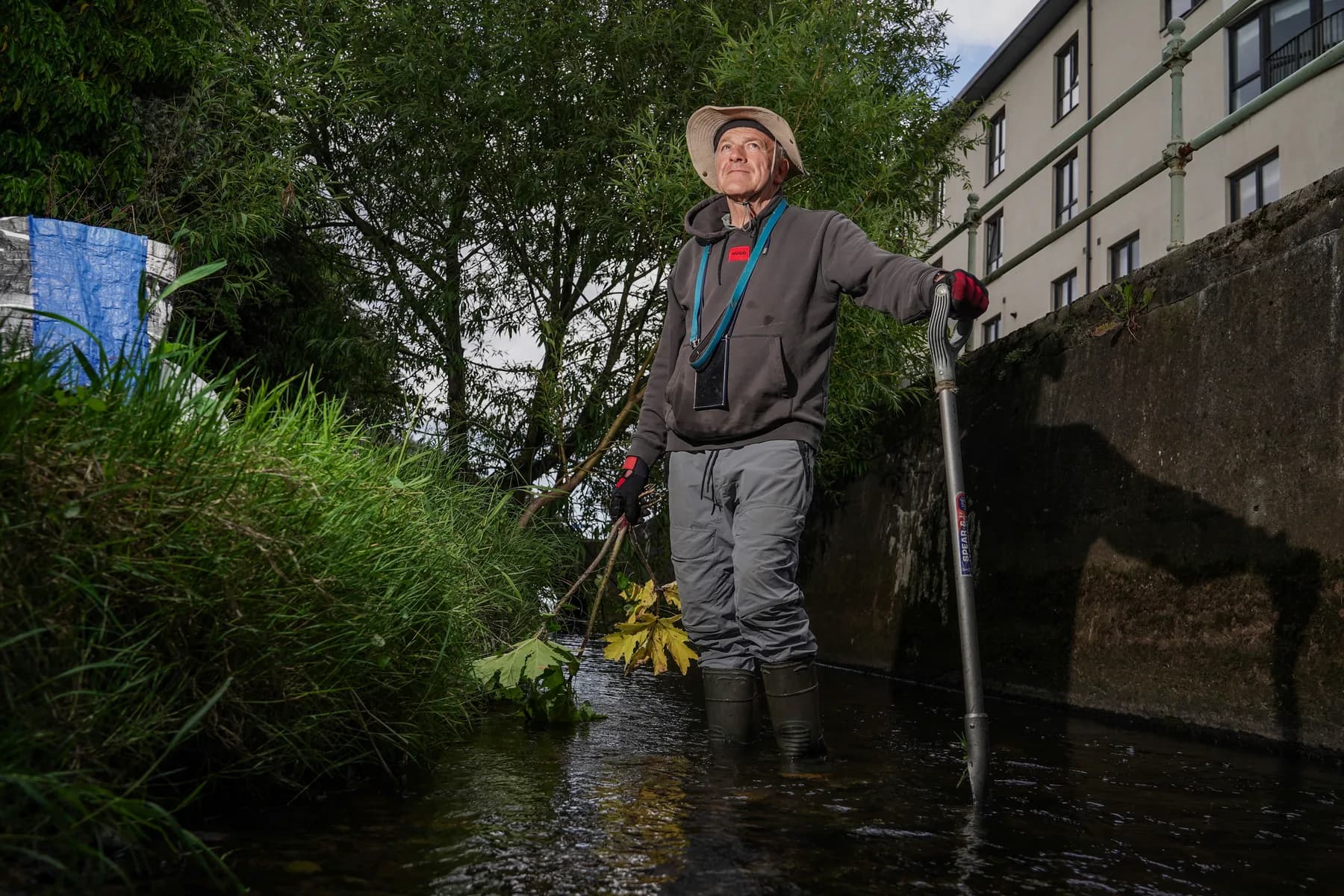
Local litter-pick celebrity Adrian Laird Craig holds an invasive Hogweed plant by the banks of the Water of Lieth. These plants overrun the native species on the river bank and are poisonous to humans. Now retired, Craig spends his days cleaning out the massive weeds himself.
Photograph by Jack Henry
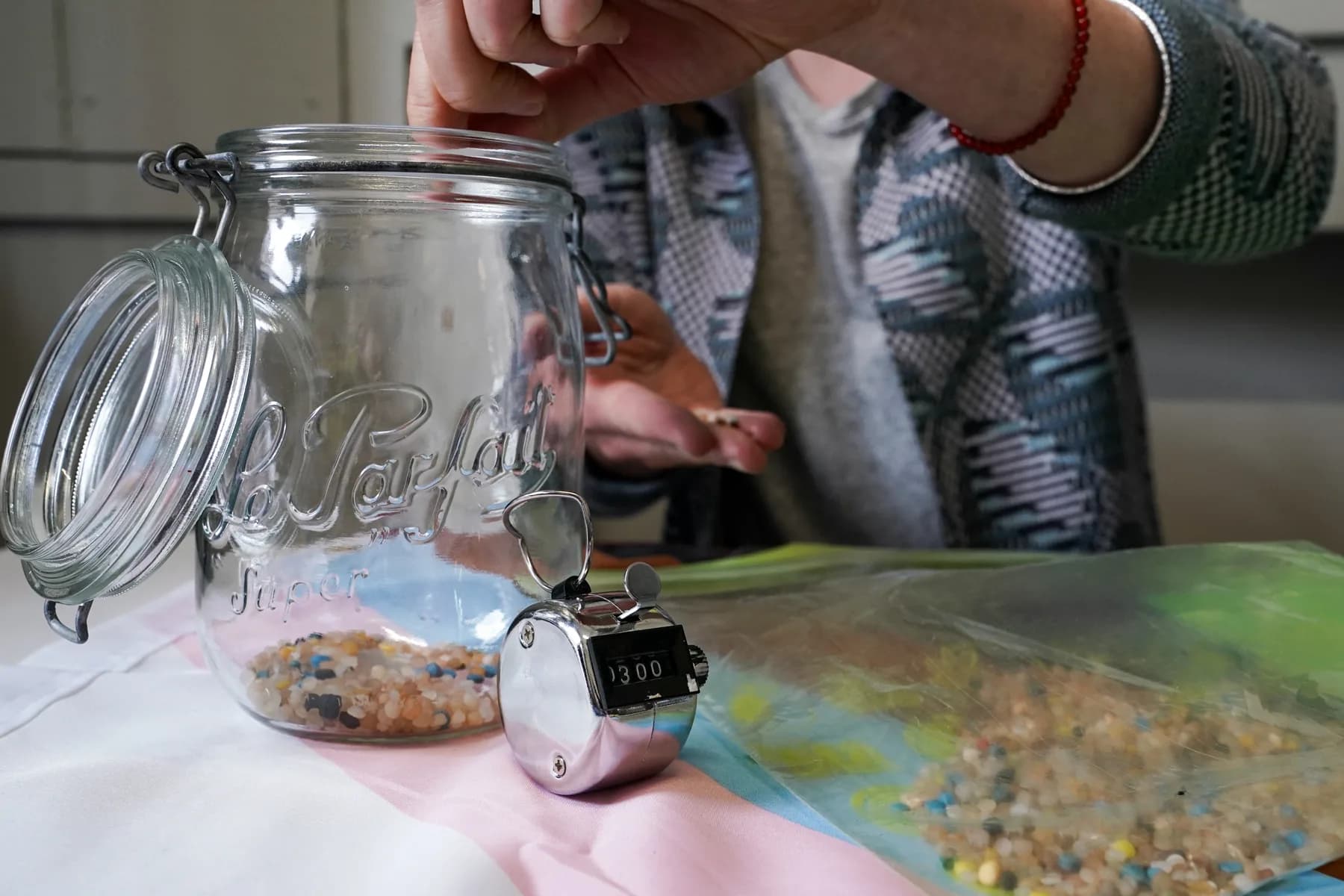
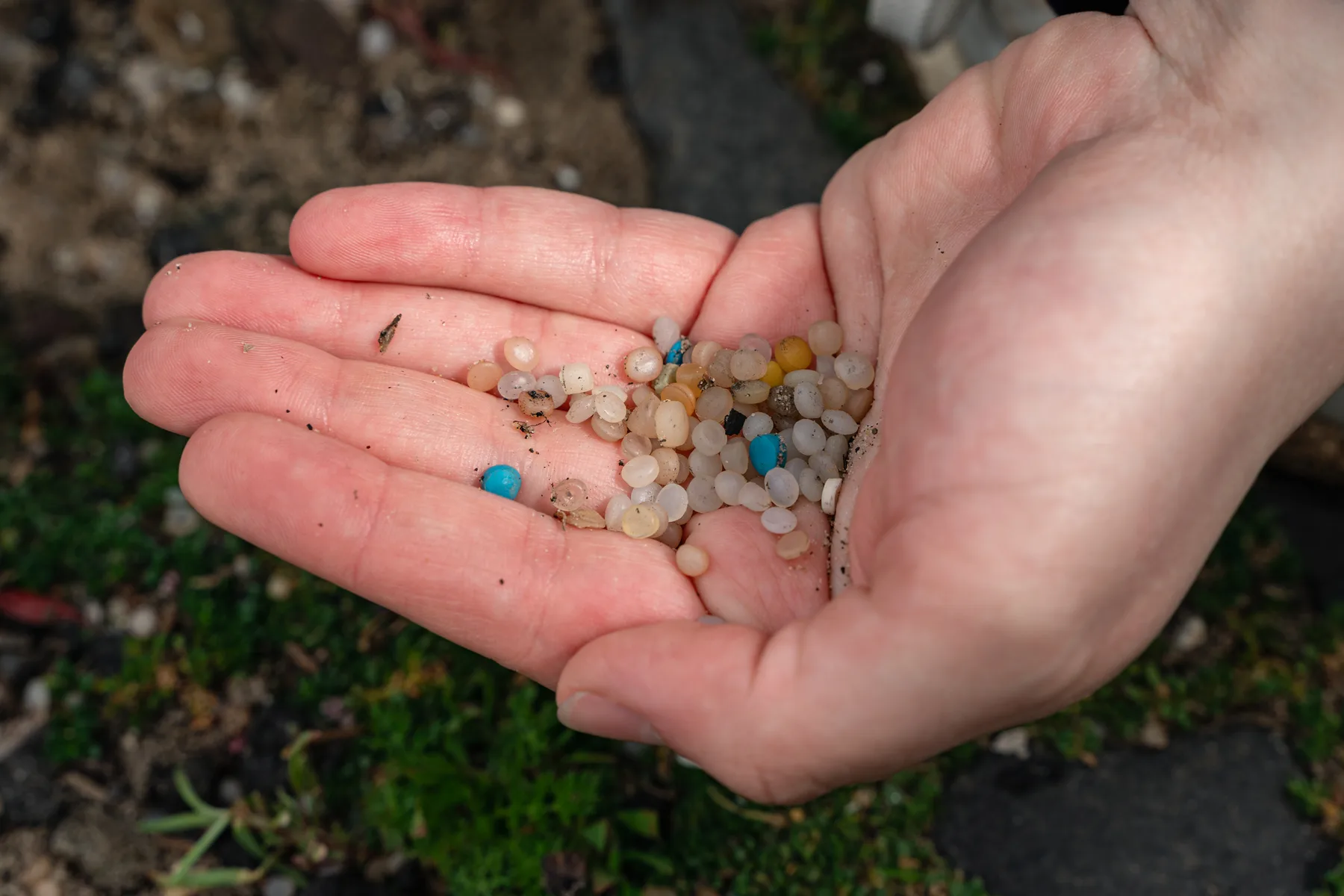
After collecting nerdles during community litter-picks, Sophie Eastwood documents the amount they were able to find. nerdles, and other environmentally harmful pollutents, have embedded themselves into the ecosystem on the coast.
Photograph by Jack Henry
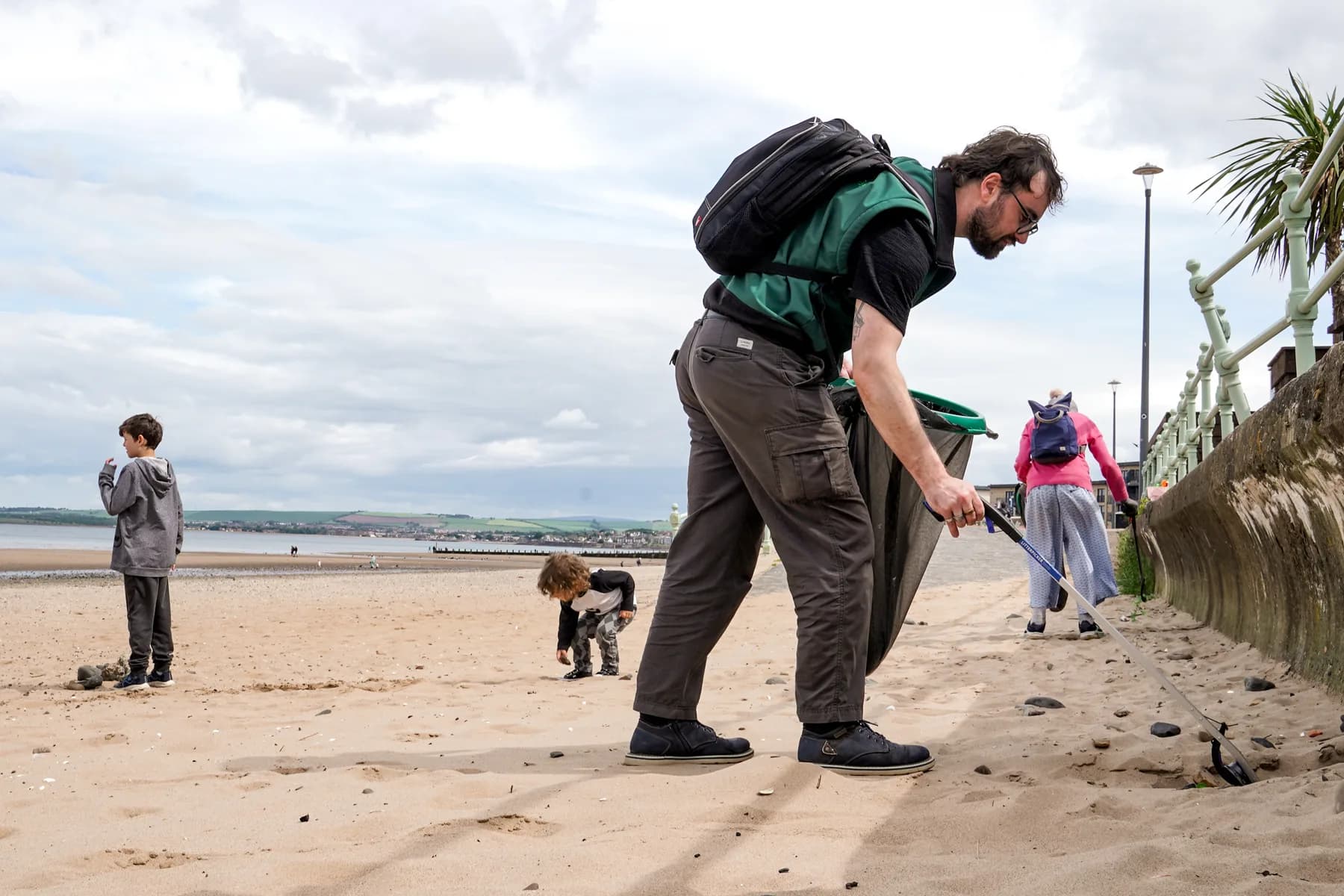
Aaron Baker-Jefferies usually works at the Dog & Cat Home on the Portobello coast, but like many in the community, he wears many hats. Cleaning up the beach with fellow members of his community is one way Baker-Jefferies feels he able to connect with his neighbors and make a visible difference to the place he calls home.
Photograph by Jack Henry
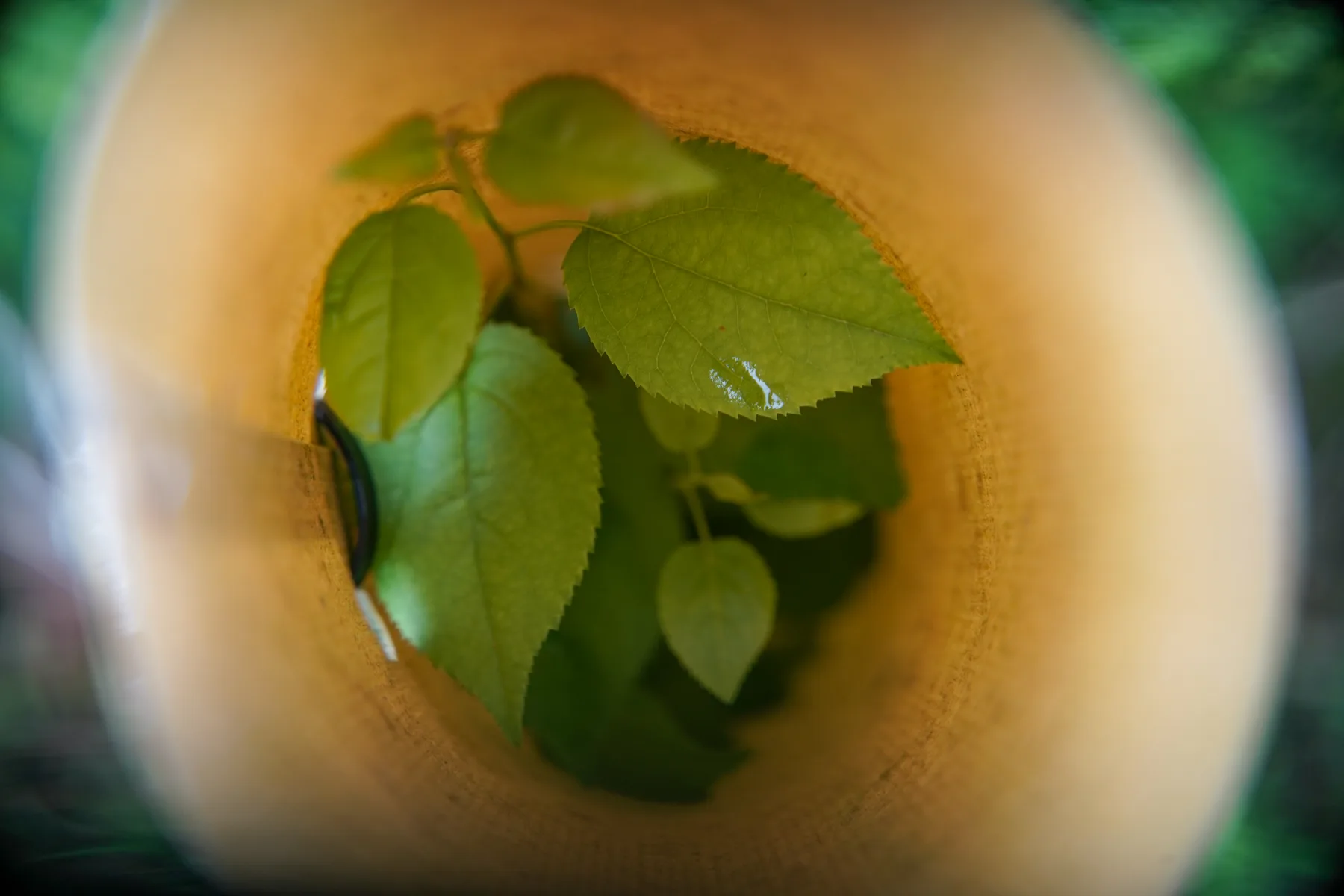
Crab apple trees at Drumbrae are tubed to protect them from the invasive Japanese Saki deer population. These saplings carry genetic variations vital to bringing back native crab apples to Scotland's woodlands. Sites like Drumbrae hold the neccessary condition for these woodlands to thrive.
Photograph by Jack Henry