Urbanization, rising screen time, and limited access to nature mean that people are spending less time outdoors. Research suggests that blue spaces, outdoor environments with accessible water such as rivers, lochs, and coastlines, can lower stress, improve sleep, and boost overall wellbeing. Time in nature during childhood has also been linked to healthy cognitive development, yet children in cities often have the least access to it. In the UK, green space makes up just 4.3 percent of urban land, and blue space only 1.2 percent. A Natural England study found that fewer than 10 percent of children regularly play in natural places, compared with 40 percent of adults who did so when they were young.
Children who spend time around water are more likely to develop a lasting understanding of, and care for, the environment. Scotland’s national curriculum, the Curriculum for Excellence, supports outdoor learning as part of its core focus on literacy, numeracy, and health and wellbeing. In Edinburgh, organizations such as the Water of Leith Conservation Trust and the Marine Conservation Society bring students outdoors through specialized classroom days and workshops. At the Water of Leith Conservation Trust, Senior Ranger Johnny Wells works with more than 200 volunteers who care for and monitor the Water of Leith, a river that flows about 24 miles from the Pentland Hills through the heart of Edinburgh to the Firth of Forth at Leith. Volunteers pick up litter, test water quality, and survey wildlife to keep the river and its ecosystem healthy for generations to come. Through environmental education and community engagement, Edinburgh is helping to bridge the generational gap in conservation.


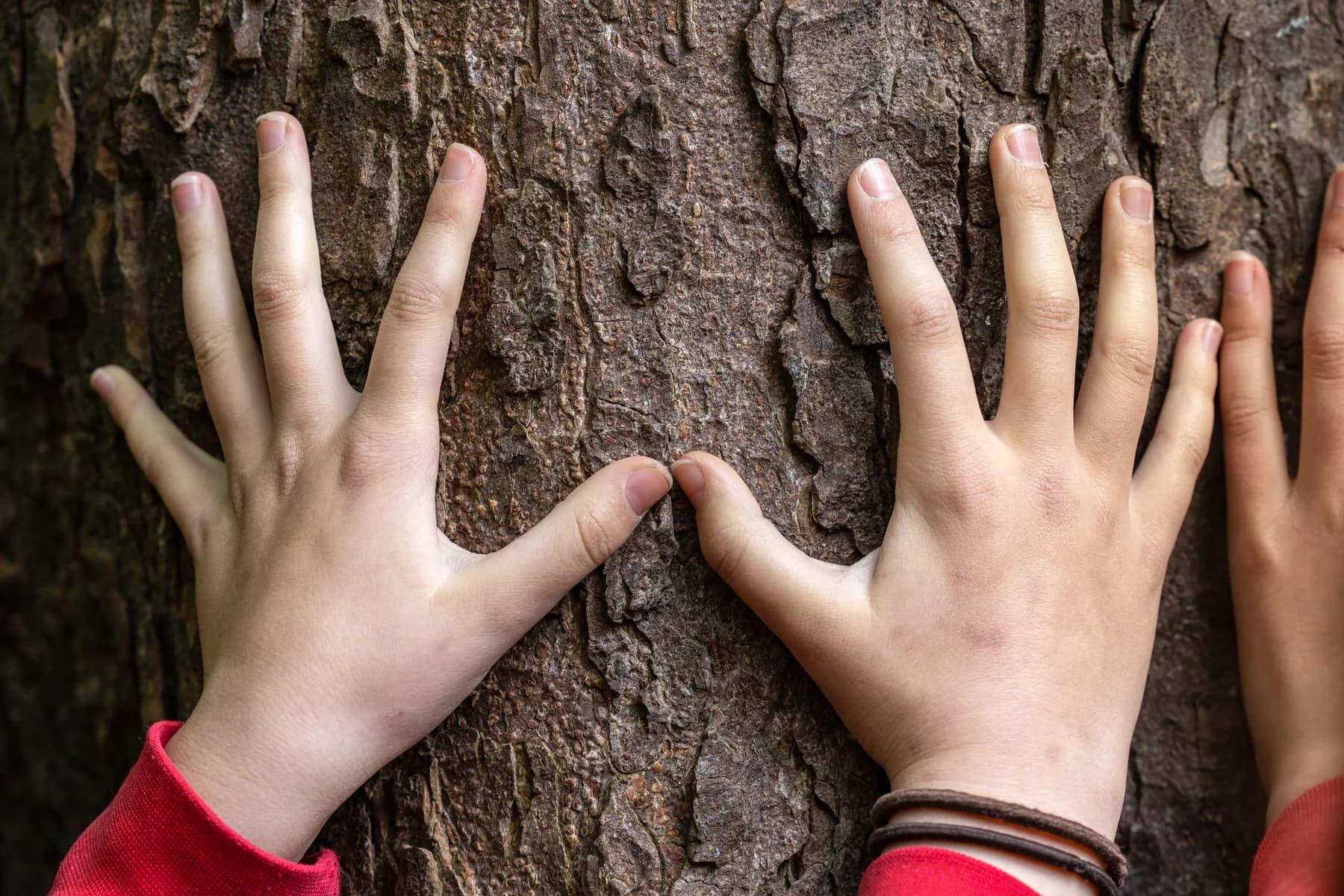
Primary four students measure the width of a tree with their hands during an outdoor education session with the Water of Leith Conservation Trust. Almost every school in Edinburgh works with the Trust to educate its students on the ecosystems in and around the Water of Leith. Through their education program, the youth of Edinburgh learn the importance of preserving the environment into the future.


Ruth Prince prepares a group of primary four students for a “bug hunt” during an outdoor education day at the Water of Leith. Ruth is the Outdoor Learning Officer at the Water of Leith Conservation Trust, teaching students about the ecosystem of the river and the Edinburgh area. The students will collect insects from the historic forest around the Water of Leith and then identify them by their unique characteristics.


John, a volunteer for the Water of Leith Conservation Trust, examines a water sample from a section of the Water of Leith in Slateford. Sediment is analyzed for leeches, caddis fly larvae, and other invertebrates to gauge the health of the river. The Water of Leith struggled with heavy pollution during its industrial use in the 18th and 19th centuries. The Water of Leith Conservation Trust closely monitors the life in the river, which is still at risk from pollution from Edinburgh and other nearby towns.


Kate Tomlinson clears nettles and bindweed from a meadow at St. Marks Park in Edinburgh. Kate has been volunteering in conservation for 20 years, and has been a volunteer for the Water of Leith Conservation Trust for ten. Before she retired, Kate was a social worker. She says that her colleagues used to tell her she was much easier to work with when she had been chopping down plants the day before. The volunteers manage invasive species and other plant life around the river. Seeds that fall in the water can be spread through the entire ecosystem on the river’s path, including reaching the Firth of Forth, where they can reach other parts of Scotland and the ocean.


Youth worker Ryan McKay examines shark eggs (AKA mermaid’s purses) with a student at the Citadel Youth Centre in Leith. In honor of World Ocean Day on June 8, the Marine Conservation Society joined the youth group to discuss ocean life and create paper zines. The organization’s Scottish Seas Roadshow initiative brings marine-based lessons to schools and afterschool programs, tailoring specific lessons and activities to each group they visit. The program’s aim is to “foster a generation of ocean‑literate teachers and young people, and create lasting, community‑wide behaviour change that benefits both local people and the ocean.”


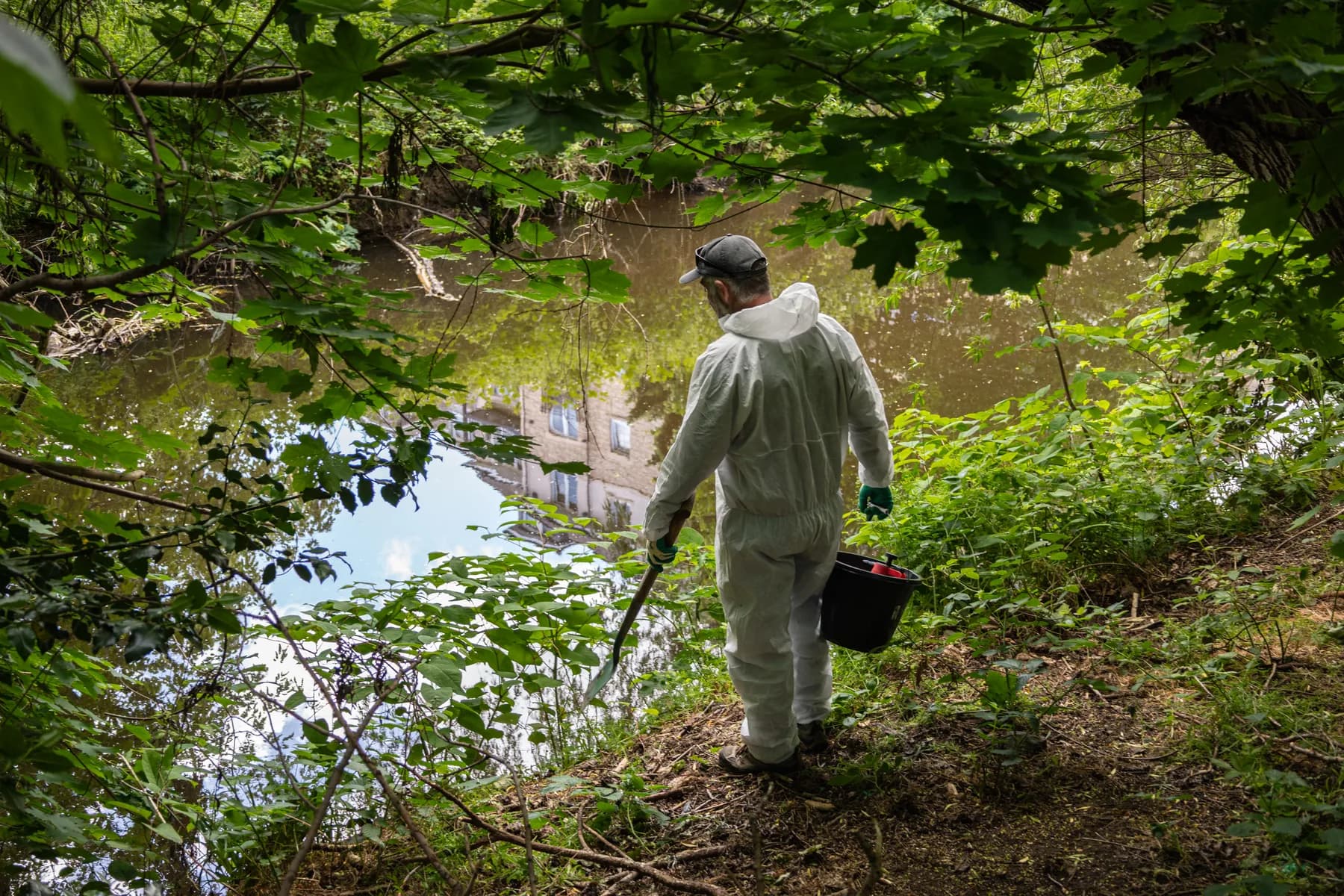
Darius Hudson, a volunteer with the Water of Leith Conservation Trust, collects trash from the river’s Murrayburn portion. Murrayburn has always been a problem for the Conservation Trust, as it is riddled with litter and poor infrastructure. It is also home to pollution from sewage disposal sites, creating barriers to fish passage. Farming activities have made it difficult to improve the rural area of the river, though focused work efforts are hoping to improve the area significantly by 2027. The Conservation Trust has expressed the difficulty of getting volunteers out to the area, due to its inherently dangerous nature.


Two primary four students from a school in Edinburgh use a magnifying glass to look for bugs while on an educational trip with the Water of Leith Conservation Trust. Led by Ruth Prince, the organization’s educational programs take place on the banks of the Water of Leith and in the ancient woodlands of the Craiglockhart and Colinton Dells. Classroom field studies are linked to climate and environmental issues, allowing schoolchildren a hands-on glimpse into the ecology and morphology of local habitats.


Water of Leith Conservation Trust volunteers examine the results of a river sampling project, in a portion of the river just downstream from the Visitor Centre. The group sorted through different kinds of species commonly found in the river and sorted them according to a specific set of scientific criteria. The examined stretch of water has influence from the polluted Murrayburn region, making it a priority for the group to continue to monitor. Ella, a frequent volunteer with the river, explained that the sampling is important to measuring river health, as certain species can only survive in less polluted environments.